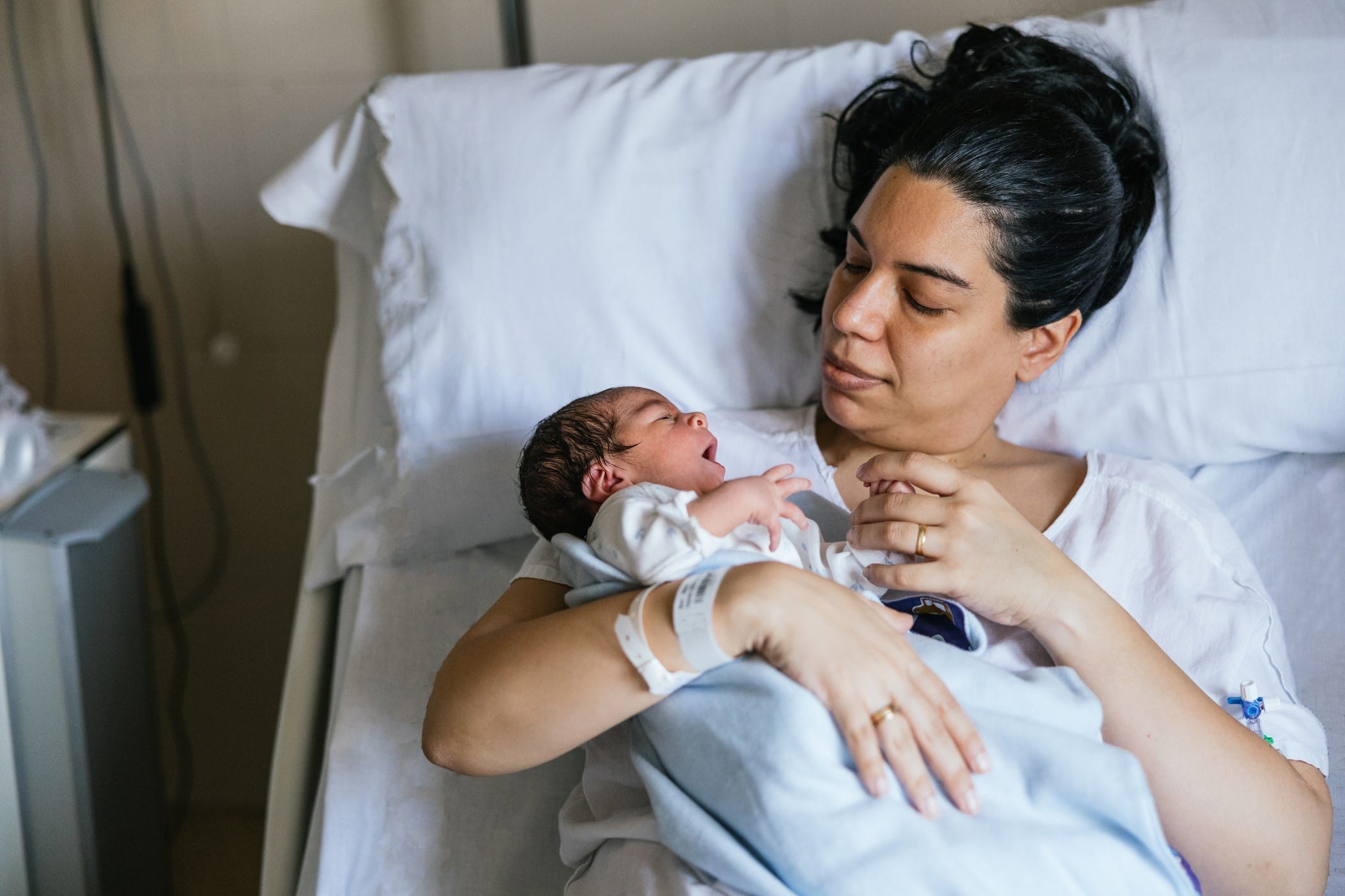
While everyone’s experience is different, many individuals with systemic mastocytosis (SM) have children after diagnosis. Studies suggest safe pregnancy and delivery are possible, especially when symptoms are well managed. Understanding the challenges and preparing ahead can make the journey safer and less overwhelming.
Does systemic mastocytosisMastocytosis Rare disease caused by the buildup of mast cells. Cutaneous mastocytosis primarily affects the skin and is more common in children, while systemic mastocytosis affects internal organs and is more common in adults. affect fertility?
In most cases, SM itself does not directly reduce fertility. People with SM can ovulate, conceive and carry pregnancies the same way those without the condition do.
However, symptoms such as chronic inflammation, pain or fatigue may indirectly affect sexual health or family planning decisions. Additionally, some SM medications, including certain immunomodulators or symptom-management drugs, may not be recommended during pregnancy. This could temporarily complicate attempts to conceive if they need adjustment or discontinuation.
If you’re hoping to conceive or have any concerns, talk to your doctor about a plan that’s safe for you.
Potential complications
Pregnancy can be unpredictable for people with SM. Some individuals report improvement in symptoms during pregnancy due to hormonal shifts, while others experience flares or new triggers.
Potential complications can include:
- Fluctuating mast cellMast cell A type of white blood cell produced in the bone marrow. They help defend against infections and play a key role in allergic reactions. In SM, mast cells become overactive and build up throughout the body. symptoms, such as flushing, itching and GI symptoms during pregnancy.
- Increased sensitivity to medications or triggers during pregnancy.
- Slightly elevated risk of preterm delivery or obstetric complications such as preeclampsia, especially when SM is not well-managed.
Some research suggests spontaneous miscarriage rates might be somewhat higher among people with SM, at 25%-30% compared to 8%-20% in the general population. However, data is limited, and most studies indicate that with proper management pregnancy in people with SM is safe.
Learn more about SM treatment and care
Preparing for pregnancy with SM
When preparing for pregnancy with SM, planning ahead is key.
Before becoming pregnant, consider the following:
- Review and optimize medications: Some antihistaminesAntihistamines Medications that block the effects of histamine, the chemical found in mast cells that is responsible for many of the symptoms of SM, as well as many allergic reactions. and mast-cell stabilizers are considered relatively safe in pregnancy, though data are limited. Others may need to be switched. It’s important to talk to your doctor about your plans to start a family so that your medications can be adjusted.
- Build a coordinated care team: This may include an allergist, immunologist or mast-cell specialist, as well as a high-risk obstetrician familiar with rare diseases.
- Identify and avoid triggers: Stress, temperature extremes, certain medications and physical stimuli can provoke mast cell activationMast cell activation Describes when mast cells release histamine and other mediators into the blood stream in response to an allergen or other trigger. This leads to symptoms like fatigue, rash and, in severe cases, anaphylaxis.. Ongoing symptom tracking and trigger awareness can help you better manage the disease while pregnant and beyond.
Keep in mind that while SM can add complexity to family planning, it certainly doesn’t eliminate the possibility of having children. With thoughtful preparation, a tailored care plan and support from knowledgeable clinicians, many people with SM successfully experience pregnancy and parenthood.
Sign up here to get the latest news, perspectives, and information about SM sent directly to your inbox. Registration is free and only takes a minute.