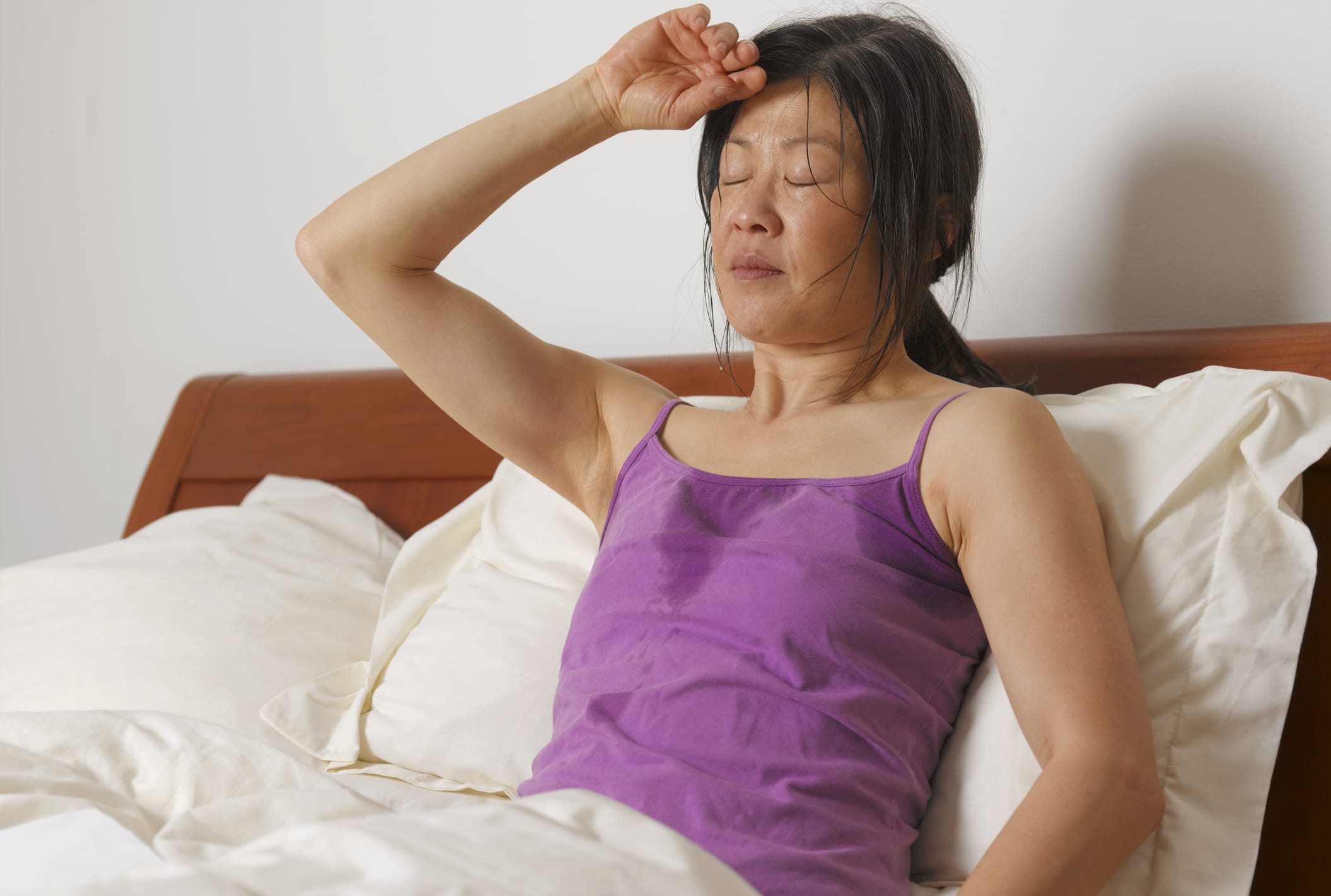
Night sweats are a common and often distressing symptom for people living with systemic mastocytosis (SM). Driven by the release of mast cellMast cell A type of white blood cell produced in the bone marrow. They help defend against infections and play a key role in allergic reactions. In SM, mast cells become overactive and build up throughout the body. mediators such as histamineHistamine A chemical released by mast cells when they are activated. Histamine causes many of the allergy-type symptoms in mastocytosis, including flushing, itching and hives. and prostaglandins, these episodes can disrupt sleep, reduce quality of life and contribute to fatigue over time.
While they can be difficult to eliminate entirely, a combination of medical treatment and practical strategies can help reduce the frequency and severity of night sweats.
Why night sweats happen in systemic mastocytosis
SM is characterized by the abnormal build up of mast cells that release chemical mediators. These substances can affect blood vessels and body temperature regulation, leading to flushing and sweating. This can be common at night when the body is already undergoing natural temperature shifts.
Learn more about SM signs and symptoms
Triggers such as stress, alcohol, certain foods or changes in room temperature may further increase the likelihood of sweating.
Optimizing medical treatment
Managing night sweats often starts with ensuring that underlying mast cell activity is as well-controlled as possible. Many individuals with SM benefit from antihistaminesAntihistamines Medications that block the effects of histamine, the chemical found in mast cells that is responsible for many of the symptoms of SM, as well as many allergic reactions., which block the effects of histamine and can reduce symptoms like flushing and sweating.
When needed, additional medications may be considered, including leukotriene receptor antagonists or mast cell stabilizers. Targeted therapies prescribed by a specialist may also help reduce overall symptom burden.
Creating a sleep-friendly environment
Simple changes to your sleep environment can make a big difference when dealing with night sweats. Keeping your bedroom cool, using breathable bedding made of cotton or linen and choosing moisture-wicking sleepwear can help the body regulate temperature more effectively overnight. Some people find it helpful to use layered bedding that can be easily adjusted during the night.
Maintaining a consistent sleep routine may also help reduce symptom severity. Going to bed and waking up at the same time each day supports the body’s natural rhythms, which can help stabilize temperature regulation.
Avoiding triggers
Because mast cell activationMast cell activation Describes when mast cells release histamine and other mediators into the blood stream in response to an allergen or other trigger. This leads to symptoms like fatigue, rash and, in severe cases, anaphylaxis. can be triggered by a variety of factors, identifying personal triggers is key. Common culprits include alcohol, spicy foods, high-histamine foods and emotional stress. Keeping a symptom diary can help you better understand patterns and guide lifestyle adjustments.
Stress management techniques such as gentle yoga, breathing exercises or mindfulness may also help reduce the frequency of symptoms like night sweats.
When to talk to your doctor
If you’ve tried the above strategies and are still struggling with persistent or severe night sweats, talk to your health care provider. You may need further evaluation to rule out other contributing factors or make treatment adjustments.
Sign up here to get the latest news, perspectives, and information about SM sent directly to your inbox. Registration is free and only takes a minute.