

In systemic mastocytosis (SM), the buildup of mast cells in the bone marrow can cause bone pain. It can also lead to the loss of bone tissue and mass, a condition known as osteoporosis — and another cause of bone pain in SM.
Bone disease is common in SM; while estimates vary, it affects about one in five patients, with some estimates placing the number at one in three. Yet many patients — and sometimes their doctors — don’t know about the risk.

Sign up here to get the latest news, perspectives, and information about SM sent directly to your inbox. Registration is free and only takes a minute.
MastocytosisMastocytosis Rare disease caused by the buildup of mast cells. Cutaneous mastocytosis primarily affects the skin and is more common in children, while systemic mastocytosis affects internal organs and is more common in adults. and bone disease: Learn the basics
Most patients with SM will be familiar with mast cell mediators as the main driver behind symptom flares. But these mediators cause long-term harm, too. Over time, mediators in your bone marrow can disrupt the normal cycle of bone tissue renewal that helps keep your bones strong.

Systemic mastocytosis and bone health
Osteoporosis can leave bones more fragile and at risk of fracture. Explore why, and the treatment options that can help.

What it’s like to live with ISM and osteoporosis
Severe osteoporosis has ravaged my bones and teeth, writes SM Ambassador Tara Keith. Learn what she wishes she’d known earlier about SM and bone disease.
Monitoring bone health: What to know about DEXA scans
A dual-energy X-ray absorptiometry scan, more commonly known as a DEXA scan, is a key tool doctors use to monitor bone density.
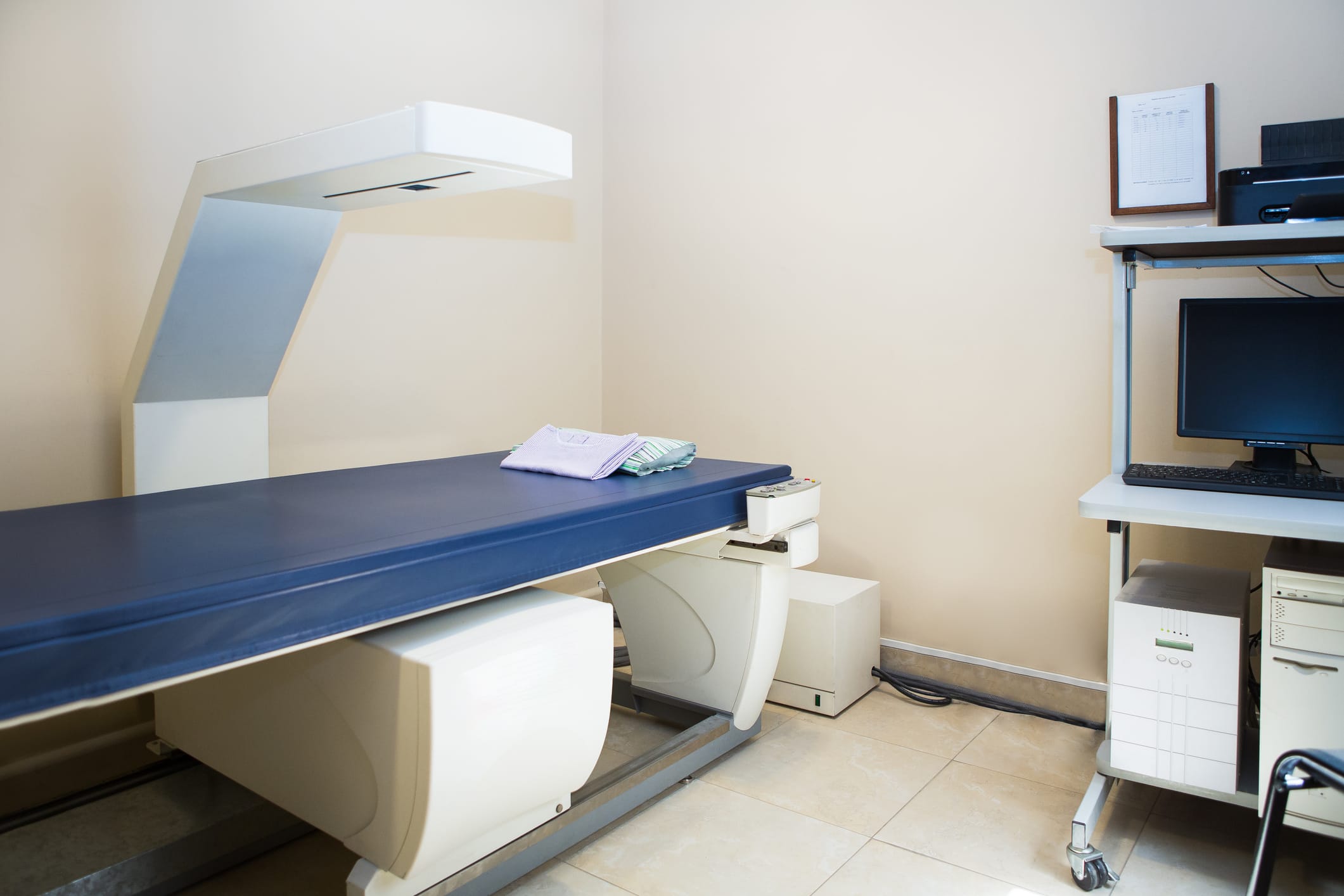
What to expect during a DEXA scan
A DEXA scan will likely be one of the easiest tests you have as part of your SM journey. Learn what to expect before, during and after the test.

Why you should get a bone density scan if you have SM
SM Ambassador Tara Keith was only 51 when she learned she had severe osteoporosis caused by indolent SMIndolent SM A subtype of nonadvanced SM caused by the abnormal accumulation of mast cells in the bone marrow and other organs. Indolent SM accounts for around 90% of SM cases.. Read her advice for talking with your doctor about early scanning.
Lifestyle tips for better bone health
There is no cure for osteoporosis, but there’s many proactive steps patients with SM can take to help reduce symptoms and protect their bone health.


Understanding the importance of vitamin D
In SM, digestive issues may mean you are not absorbing nutrients correctly, leading to low levels of vitamin D — a vitamin crucial for bone health.

What to know before hitting the gym with SM
Weight-bearing and resistance exercises can help build bone density, but patients with SM should take certain precautions before visiting the gym. Learn what to know.
The latest research
From a new focus on tailored care to machine learning tools that predict risk, medicine is moving toward a better understanding of how to prevent and treat bone disease in SM. Explore some of the latest stories.
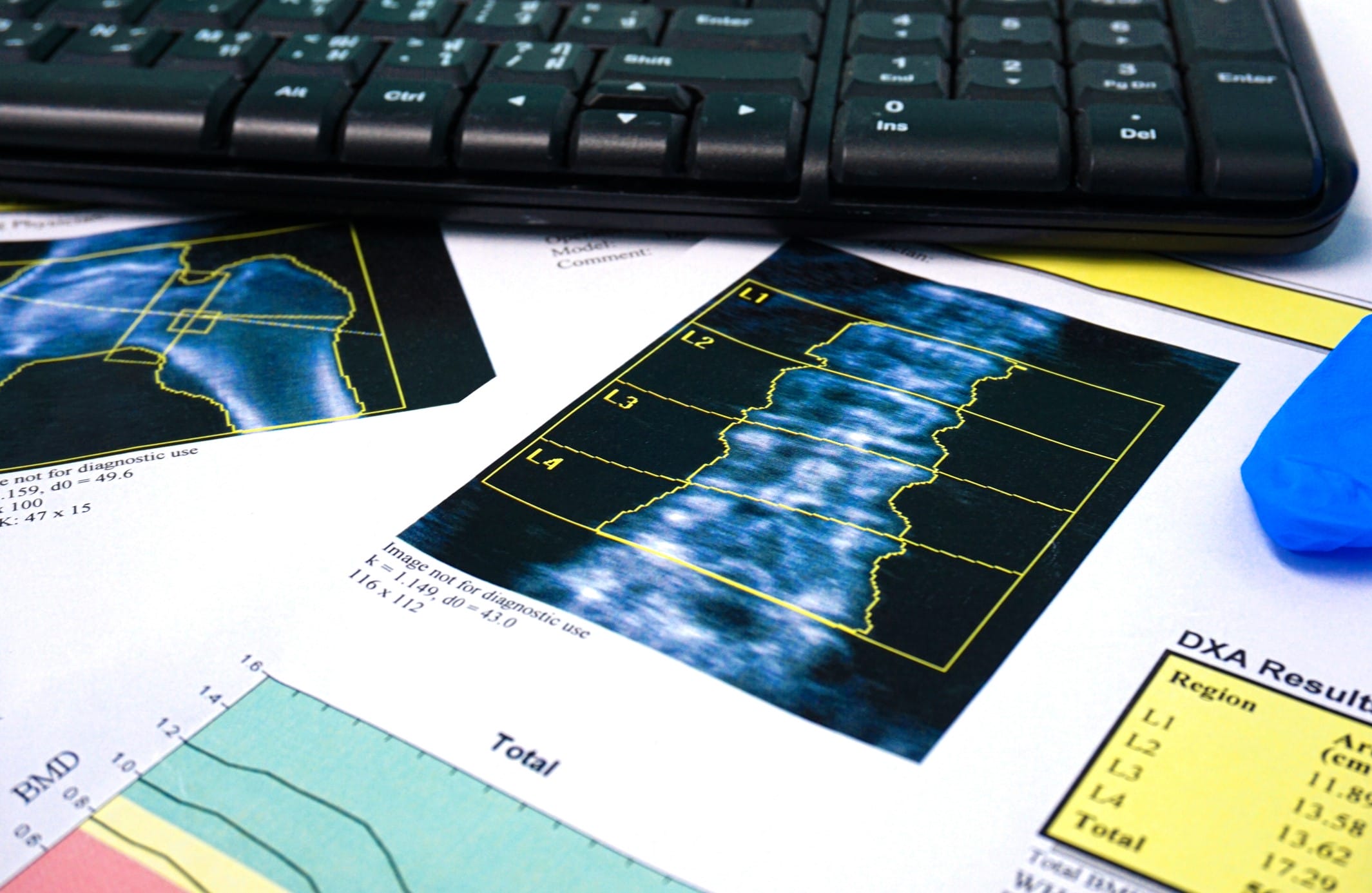
DEXA bone scans may miss fracture risk in SM
While DEXA scans remain an important part of monitoring bone health, research suggests it should be accompanied by other testing.

New treatment approach for osteoporosis in SM shows promise
The immunotherapy peg-interferon-alfa2a (peg-IFN-α) offers a promising approach for treating bone disease in nonadvanced systemic mastocytosis.

