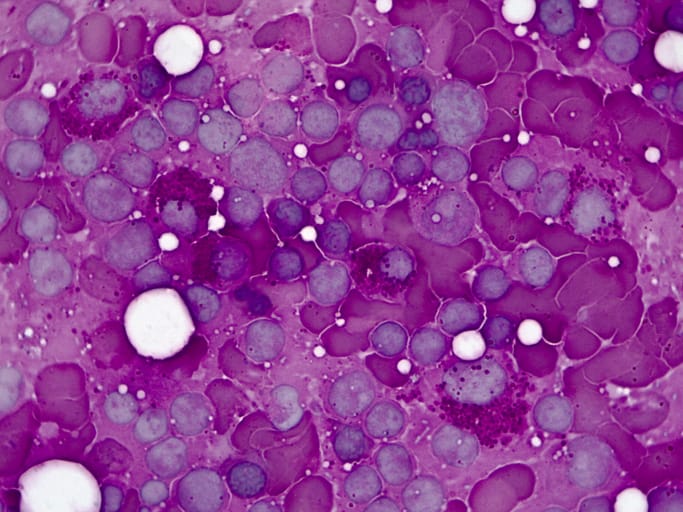
Systemic mastocytosis (SM) is a disease characterized by the abnormal proliferation of mast cells in the bone marrow, skin and internal organs.
Bone marrow mastocytosisBone marrow mastocytosis A subtype of indolent SM that occurs when the excess mast cells accumulate in the bone marrow, but not the skin or other organs. (BMM) is a subtype of indolent systemic mastocytosisMastocytosis Rare disease caused by the buildup of mast cells. Cutaneous mastocytosis primarily affects the skin and is more common in children, while systemic mastocytosis affects internal organs and is more common in adults. (ISM) that occurs when the excessive production of mast cells accumulates in the bone marrow, affecting red blood cells, white blood cells and platelets. It is often underdiagnosed because of the absence of common mast cell diseaseMast cell disease A group of conditions in which mast cells behave abnormally by building up in excess, releasing chemicals too easily or both. Includes mastocytosis, mast cell activation syndrome and hereditary alpha-tryptasemia. symptoms, particularly skin lesions.
What are the types of SM?
There are five subtypes of SM: indolent SMIndolent SM A subtype of nonadvanced SM caused by the abnormal accumulation of mast cells in the bone marrow and other organs. Indolent SM accounts for around 90% of SM cases., the most common and least severe subtype; smoldering SMSmoldering SM A subtype of nonadvanced SM, with a higher mast cell burden than the indolent subtype. Smoldering SM has a higher likelihood of progressing to an advanced form., which can progress to more serious illness; aggressive SMAggressive SM A subtype of advanced SM marked by a high mast cell burden that leads to organ damage. Aggressive SM accounts for less than 10% of SM cases.; SM with an associated hematologic neoplasm; and mast cell leukemiaMast cell leukemia The most severe subtype of SM, caused by the rapid buildup of immature mast cells in the bone marrow and blood. Mast cell leukemia accounts for less than 5% of SM cases and has a poor prognosis., the rarest and most severe subtype.
What are the main symptoms of BMM?
Diagnosis is often difficult in BMM as there are few symptoms. It presents mostly with severe allergic reactions triggered by wasps or bees, often involving life-threatening events of anaphylaxisAnaphylaxis A severe allergic reaction that can turn fatal without treatment. Patients with SM are at a higher risk of developing anaphylaxis.. Unexplained fragility, a low bone mineral density or a diagnosis of osteoporosis are also common among people living with BMM.
Read more about SM testing and diagnosis
While there are no skin lesions in BMM, other more classic symptoms of ISM may occur, including skin flushing, fatigue, low mood, gastrointestinal discomfort, nausea, vomiting and diarrhea.
How is BMM diagnosed?
To achieve the best outcomes in BMM, early diagnosis is essential. A lack of knowledge and understanding of the potentially life-threatening risk of anaphylaxis can be fatal. Awareness of the risks of bone fragility is also important in avoiding fractures and disease progression into severe osteoporosis.
Diagnosis of BMM that differentiates it from classic ISM takes into consideration any reported severe anaphylactic allergic reactions, a bee or wasp sting allergy and bone fragility or low bone density. Additionally, abnormal sT levels are a good indicator of mast cellMast cell A type of white blood cell produced in the bone marrow. They help defend against infections and play a key role in allergic reactions. In SM, mast cells become overactive and build up throughout the body. burden. BMM is more commonly found in older males.
Managing BMM
As a subtype of ISM, BMM is treated with antihistaminesAntihistamines Medications that block the effects of histamine, the chemical found in mast cells that is responsible for many of the symptoms of SM, as well as many allergic reactions. and mast cell stabilizers to help slow disease progression and manage the effect of symptoms on daily life.
Two or more epinephrine injections must always be carried to be used in the case of anaphylaxis, which is usually the result of an insect sting but may also be related to high-histamineHistamine A chemical released by mast cells when they are activated. Histamine causes many of the allergy-type symptoms in mastocytosis, including flushing, itching and hives. food or certain medications. A severe allergy to wasp or bee stings, also known as a Hymenoptera sting allergy, will require life-long Hymenoptera venom immunotherapy (VIT).
Bone fragility and osteoporosis is managed with bisphosphonates, which help increase bone density and reduce the risk of bone fractures.
As with all cases of SM, lifestyle and diet modifications and vigilance are essential to avoiding triggers that activate symptom episodes.