For people living with systemic mastocytosis (SM), bone health is an important and sometimes overlooked part of disease management. SM can affect the bones in complex ways, increasing the risk of osteoporosis and bone fractures.
A dual-energy X-ray absorptiometry scan, commonly known as a DEXA scan, is a key tool doctors use to monitor bone density. Here’s what to expect before, during and after the test.
Why bone density matters in SM
SM involves the accumulation of abnormal mast cells in various organs, including the bone marrow. Over time, inflammatory mediators released by these cells can disrupt the normal cycle of breaking down and rebuilding bone.
This can lead to:
- Reduced bone mineral density (osteopenia or osteoporosis).
- Increased fracture risk.
- Back pain related to compression fractures in the spine.
- Stooped posture.
Bone disease occurs in approximately one in five people with SM. It can often be asymptomatic, especially in earlier years, and can go undetected for long periods of time. For that reason, many specialists recommend routine bone density monitoring if you’re living with SM.
Read more about SM treatment and care
What happens during a DEXA scan?
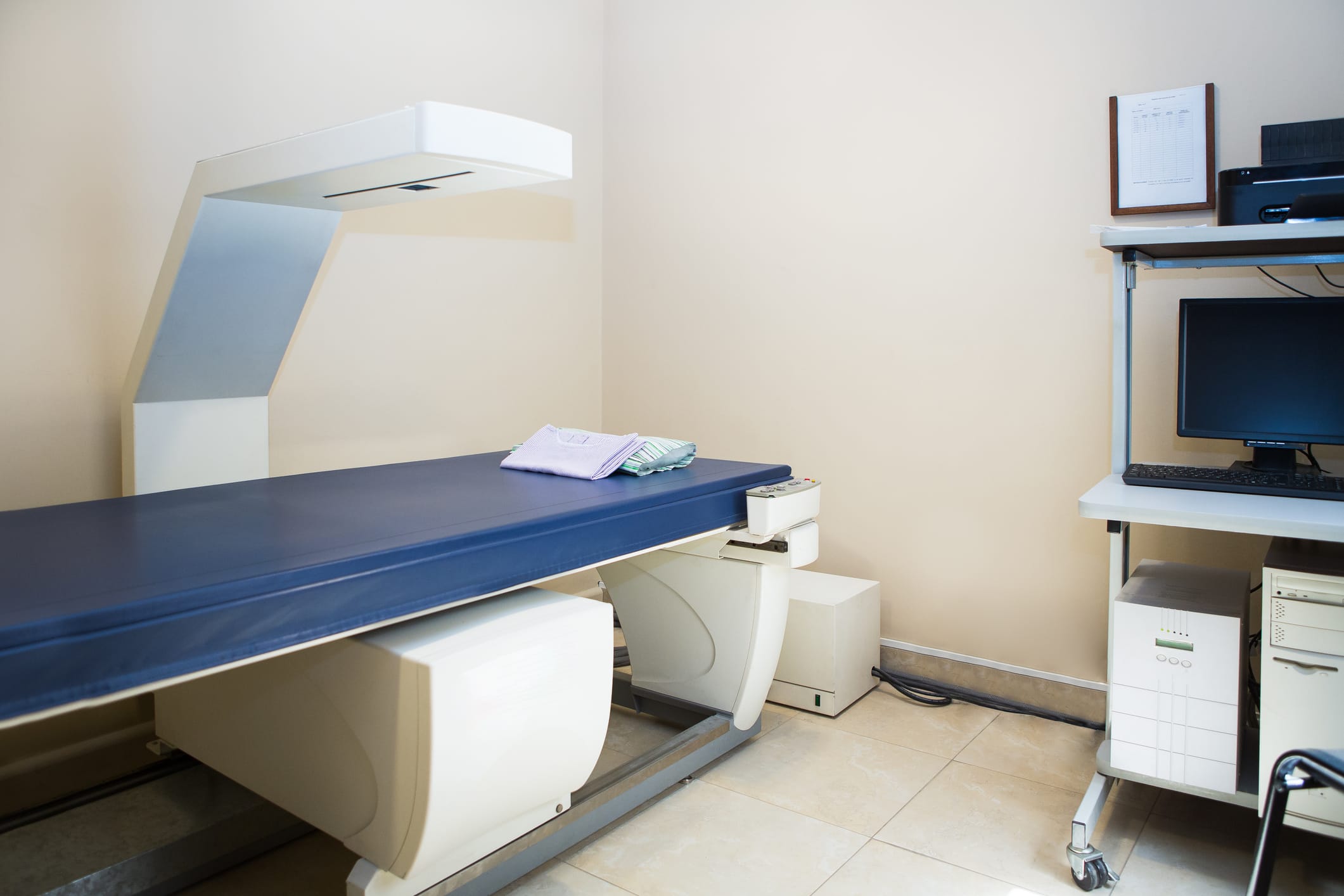
A DEXA scan is a quick, painless and noninvasive procedure similar to an X-ray. The appointment typically takes about 30 minutes.
During the scan:
- You lie flat on a padded table.
- A technician will pass a scanning arm along your body.
- You remain still in the position you were placed but can breathe normally.
The machine uses very low-dose X-rays to measure how much radiation is absorbed by your bones. Radiation exposure is minimal and the scan is considered generally very safe for everyone. However, pregnant women should avoid any amount of radiation if possible, so tell your provider if you’re pregnant.
How to prepare for a DEXA scan
You don’t need to do too much to prepare for a DEXA scan. Before the procedure:
- Eat and drink regularly.
- Avoid calcium supplements for 24 hours before the test (unless instructed otherwise).
- Wear comfortable clothing without metal zippers, belts or buttons.
- Inform your provider if you recently had a contrast CT scan or nuclear medicine study, as this may affect timing.
Results and follow up
Doctors use a system called a “T score” to measure bone density. This is a measure of how your bone density compares to that of a healthy young adult. The results are given as a negative number, with those closer to 0 representing stronger bones:
- 0 to –1 is a healthy bone density.
- –1 to –2.5 means you have osteopenia.
- –2.5 or lower means you have osteoporosis.
Depending on disease severity and baseline results, repeat DEXA scans may be recommended every one to two years. Regular monitoring helps physicians assess whether bone density is stable, declining or improving with treatment.
Sign up here to get the latest news, perspectives, and information about SM sent directly to your inbox. Registration is free and only takes a minute.