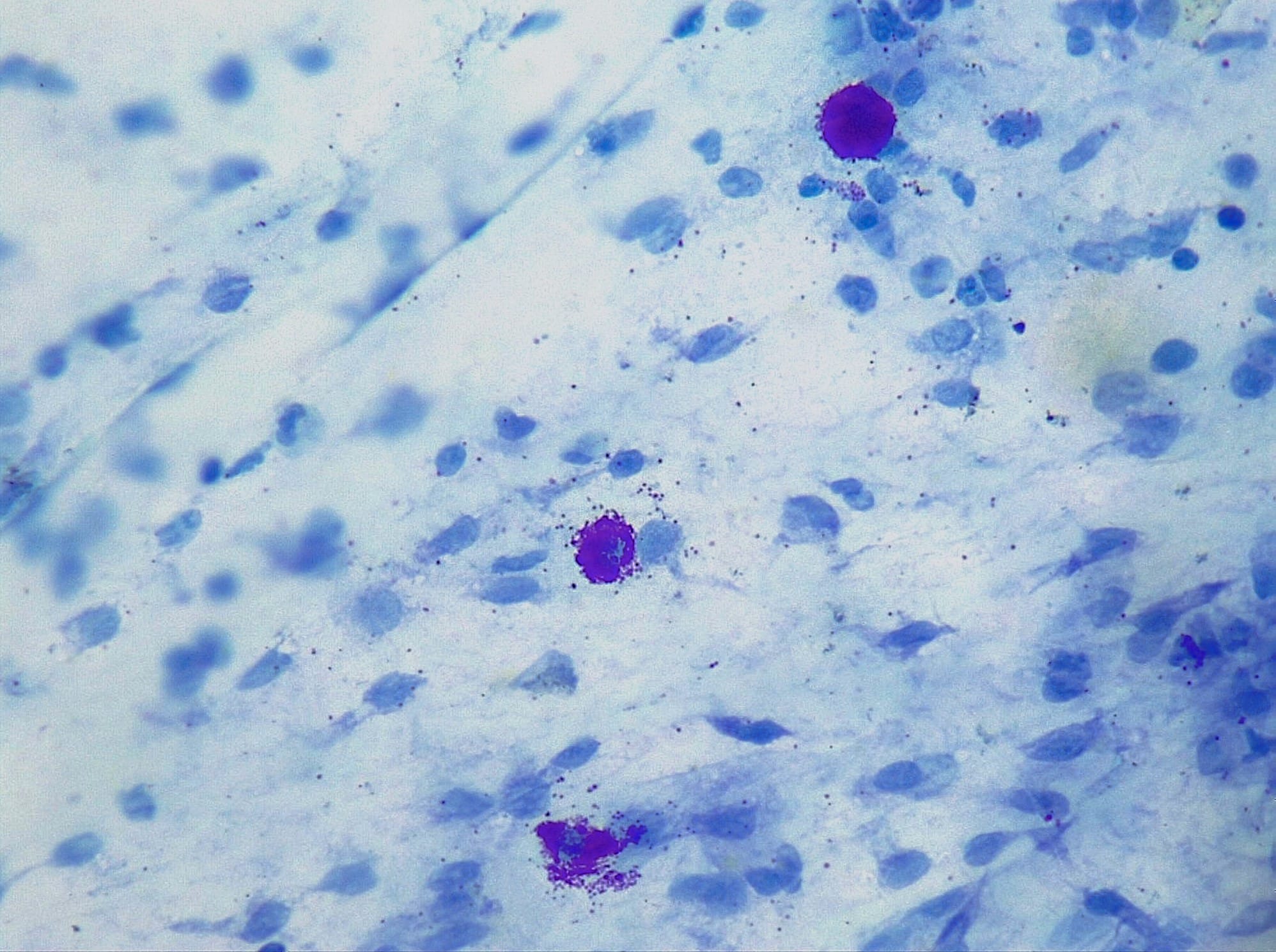
Mast cell diseases are a group of rare conditions in which mast cells (an important type of immune cell) behave abnormally.
When functioning properly, these cells help protect the body by releasing chemicals such as histamine during allergic and inflammatory responses. But in mast cell diseases like systemic mastocytosis (SM), these cells may accumulate in excess, release chemicals too easily or both. This can lead to a wide range of symptoms affecting multiple body systems.
Understanding mast cells and their role
Mast cells are a type of white blood cell found throughout the body, particularly in the skin, lungs, gut and bone marrow. They help defend against infections, assist with wound healing and play a key role in allergic reactions.
When mast cells detect a threat, such as an allergen, they release chemical mediators, including histamine, tryptase, prostaglandins and leukotrienes. These chemicals trigger inflammation, which helps the body respond to injury or infection. Normally, mast cells switch off once they have dealt with the threat. However, excessive or inappropriate release due to mast cell diseases can cause an overreaction and lead to symptoms ranging from mild discomfort to severe, life-threatening reactions.
Types of mast cell diseases
Mast cell diseases are often grouped into two categories: mastocytosis and mast cell activation syndromes.
Mastocytosis involves an abnormal buildup of mast cells. In infants and children, mastocytosis often affects the skin, known as cutaneous mastocytosis. In adults, SM is more common and impacts internal organs such as the bone marrow, liver, spleen or gastrointestinal tract.
Mast cell activation syndromes (MCAS) occur when mast cells release excessive chemicals even without a clear buildup of cells. People with MCAS may experience recurring symptoms triggered by foods, temperature changes, infections, medications or stress.
Learn more about SM prognosis
Common symptoms of mast cell diseases
Because mast cells exist throughout the body, symptoms can affect many organs and may fluctuate over time. Common symptoms include:
- Flushing, itching or hives.
- Abdominal pain, diarrhea, nausea or vomiting.
- Headaches.
- Lightheadedness or fainting.
- Rapid heartbeat.
- Bone pain.
- Fatigue.
- Confusion.
- Severe allergic reactions (anaphylaxis).
Symptoms can be unpredictable and vary from person to person, which often makes diagnosis challenging.
Diagnosing mast cell diseases
Diagnosis typically involves a combination of clinical history, blood and urine tests and sometimes bone marrow or skin biopsies. Doctors often measure tryptase, a marker released by mast cells, to help identify abnormal activity.
Because symptoms overlap with many other conditions, diagnosis may take time and involve multiple specialists, such as allergists, immunologists, gastroenterologists or dermatologists.
Living with mast cell diseases
Although mast cell diseases are chronic conditions, many people manage symptoms successfully with treatment and lifestyle adjustments. Management often focuses on avoiding triggers, using medications to block mast cell chemicals and carrying emergency treatment for severe reactions when needed.
Research into mast cell biology continues to grow, improving understanding of these complex conditions with potential new treatment approaches on the horizon. With better awareness and care, many people with mast cell diseases are able to lead active, fulfilling lives.
Sign up here to get the latest news, perspectives, and information about SM sent directly to your inbox. Registration is free and only takes a minute.