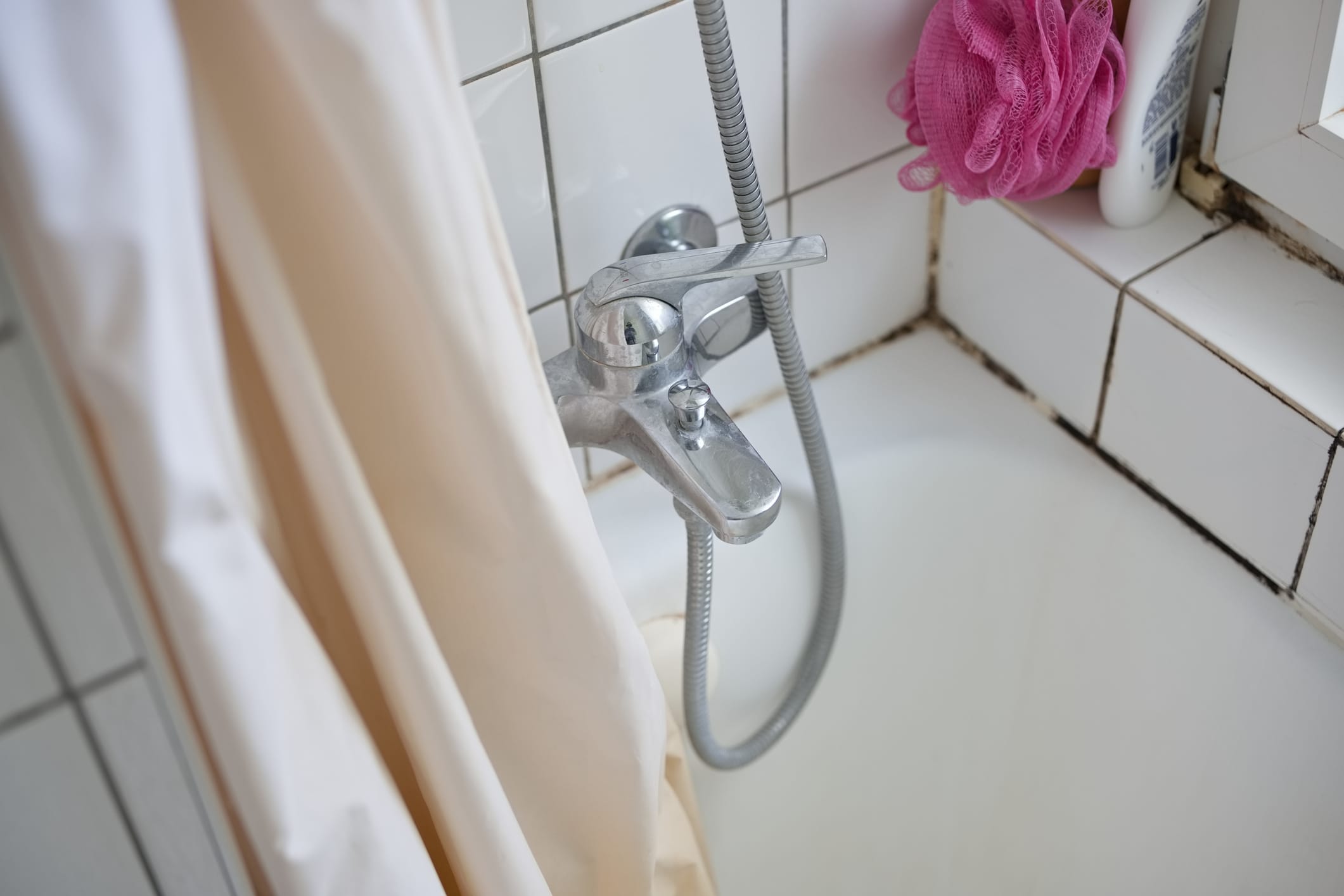
Touching mold or inhaling its spores can trigger mast cellMast cell A type of white blood cell produced in the bone marrow. They help defend against infections and play a key role in allergic reactions. In SM, mast cells become overactive and build up throughout the body. activity, causing symptom flare ups. People living with mast cell diseases such as systemic mastocytosis (SM) are therefore advised to avoid mold — but this can be challenging, since the airborne spores are invisible and mold hides in many spaces around the home. Thankfully, there’s steps that can help.
How does mold affect systemic mastocytosisMastocytosis Rare disease caused by the buildup of mast cells. Cutaneous mastocytosis primarily affects the skin and is more common in children, while systemic mastocytosis affects internal organs and is more common in adults.?
Mold isn’t healthy for anyone, but in SM it can act as a symptom trigger. When a person living with SM has contact with mold or substances released by mold, the body’s immune system identifies it as a potentially harmful foreign substance and activates its defenses. Mast cells release excessive amounts of histamineHistamine A chemical released by mast cells when they are activated. Histamine causes many of the allergy-type symptoms in mastocytosis, including flushing, itching and hives., cytokines, heparin and other chemicals, leading to symptoms.
Skin contact with mold can trigger symptoms, but for many breathing in substances released by mold is a greater concern. Mold releases spores, microscopic reproductive units that float through the air. Some molds release mycotoxins, toxic substances that are also airborne. Spores and mycotoxins are too small to see, so you likely won’t know you’re breathing in a symptom trigger.
Read more about systemic mastocytosis signs and symptoms
Tips for avoiding mold outside
Mold is commonly found in wooded areas, piles of wet or decaying leaves during autumn, hay bales, compost piles and rotting wood. Depending on the weather, temperature and wind, mold spores can be carried long distances.
The following tips can help limit your outdoor exposure to mold and mildew:
- Monitor your local air quality and mold counts; the American Academy of Allergy, Asthma & Immunology is one resource for checking mold levels. Avoid being outdoors when levels are high, or wear a specialized N95 mask.
- Avoid touching or disturbing piles of leaves; ask a friend of family member to bag them.
- If you have a compost pile, let someone else turn it.
- Keep your gutters clean; again, to avoid triggering symptoms you may want to let someone else tackle this task, especially if your gutters haven’t been cleaned in awhile.
- Don’t hang laundry outside to dry.
- If mold appears on an outside surface (often a patio or your home’s soffits), the area should be cleaned with a mixture of water and bleach.
If you are cleaning a moldy area or object yourself, such as a patch of mold under a deck chair, consider wearing an N95 mask, gloves and goggles to limit your exposure — or hand off the task. Always carry antihistaminesAntihistamines Medications that block the effects of histamine, the chemical found in mast cells that is responsible for many of the symptoms of SM, as well as many allergic reactions. with you as a precaution.
Ways to limit mold indoors
The best way to avoid mold indoors is to prevent it from growing in the first place. Limit the conditions that encourage mold growth, namely dampness and humidity. These steps can help:
- Keep windows closed when mold counts are high.
- Install a HEPA air purifier to filter mold spores and toxins out of the air.
- Keep the humidity low, ideally between 30% and 50%. Run a dehumidifier if needed (and clean it regularly).
- Clean bathrooms and kitchens weekly to prevent mold and mildew from growing.
- Ensure good airflow by installing ceiling fans, air conditioning or a bathroom exhaust fan.
- Wash towels and bathmats regularly. Avoid leaving damp towels to dry in the bathroom.
- Fix water leaks as soon as possible.
Sign up here to get the latest news, perspectives, and information about SM sent directly to your inbox. Registration is free and only takes a minute.