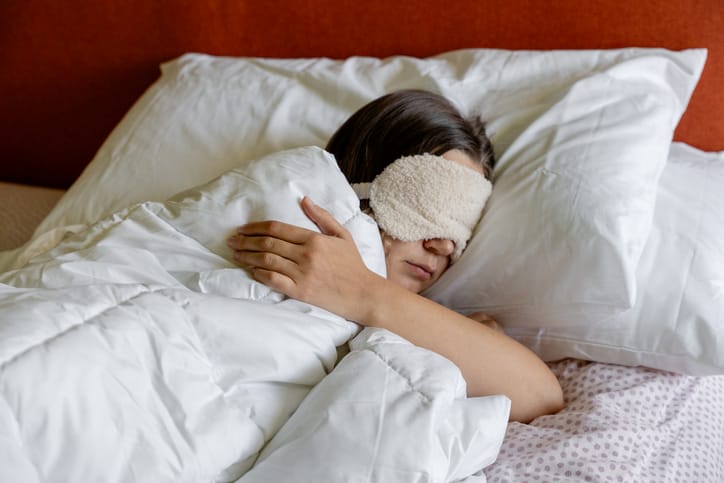
The symptoms of systemic mastocytosis (SM) can have a significant effect on sleep quality, with consequences for mental health and overall quality of life.
Medication and lifestyle changes can help you avoid symptom flare-ups, and medication can treat the symptoms. But following good sleep hygiene is key to enjoying a restorative night’s sleep.
What is SM?
Systemic mastocytosisMastocytosis Rare disease caused by the buildup of mast cells. Cutaneous mastocytosis primarily affects the skin and is more common in children, while systemic mastocytosis affects internal organs and is more common in adults. (SM) is a rare hematological disease characterized by mast cells that are overactive and accumulate in different parts of the body such as the bone marrow, liver, spleen, gastrointestinal tract and lymph nodes.
How does SM cause sleep issues?
Sleep disturbance is common in people living with SM. It can be caused by discomfort from symptoms such as skin irritation, flushing, hives and itchiness, abdominal pain, nausea, diarrhea, vomiting, bone and joint pain, brain fog and depression.
Read more about SM signs and symptoms
Insomnia can also result from the histamineHistamine A chemical released by mast cells when they are activated. Histamine causes many of the allergy-type symptoms in mastocytosis, including flushing, itching and hives. released by mast cellMast cell A type of white blood cell produced in the bone marrow. They help defend against infections and play a key role in allergic reactions. In SM, mast cells become overactive and build up throughout the body. activity in the brain.
How can you get a good night’s sleep with SM?
Manage symptoms
The first step is to reduce the symptom burden by being careful to avoid triggers such as a high-histamine diet, alcohol, certain medications, sudden changes in temperature, stress, physical exertion, skin friction, pollens or strong perfumes and insect stings.
- Consider taking antihistaminesAntihistamines Medications that block the effects of histamine, the chemical found in mast cells that is responsible for many of the symptoms of SM, as well as many allergic reactions. before bed to alleviate symptoms, particularly skin or gastrointestinal problems. They block the release of histamines and also have a sedative effect.
- Learn to time your medication to coincide with your routine.
- Keep your skin hydrated to reduce irritation.
Follow good sleep hygiene
Regular, good-quality sleep is essential to your health. It improves your mood, mental function, immune system, heart health and stress levels and helps you maintain a healthy weight.
Here are tips to overcome SM-related sleep disturbance and insomnia.
- Rethink your sleep environment: Make your bedroom conducive to sleep. Create a comfortable space that is dark and quiet and not too hot or cold. Ensure you have bedding that is comfortable and that your mattress and pillows meet your preferences for soft or supportive.
- Avoid electronic devices before bed: Overstimulation of the brain can lead to insomnia, and the blue light from screens disrupts the production of melatonin, making it difficult to sleep.
- Avoid dietary stimulants before bed: Consumption of caffeine, nicotine and alcohol will make it more difficult to get quality sleep.
- Stick to regular sleeping and waking times: Go to sleep and wake up at the same time, even on weekends. By establishing a sleep routine and sticking to it, you will start to regulate your internal body clock. It may take some time, but eventually you will notice the difference.