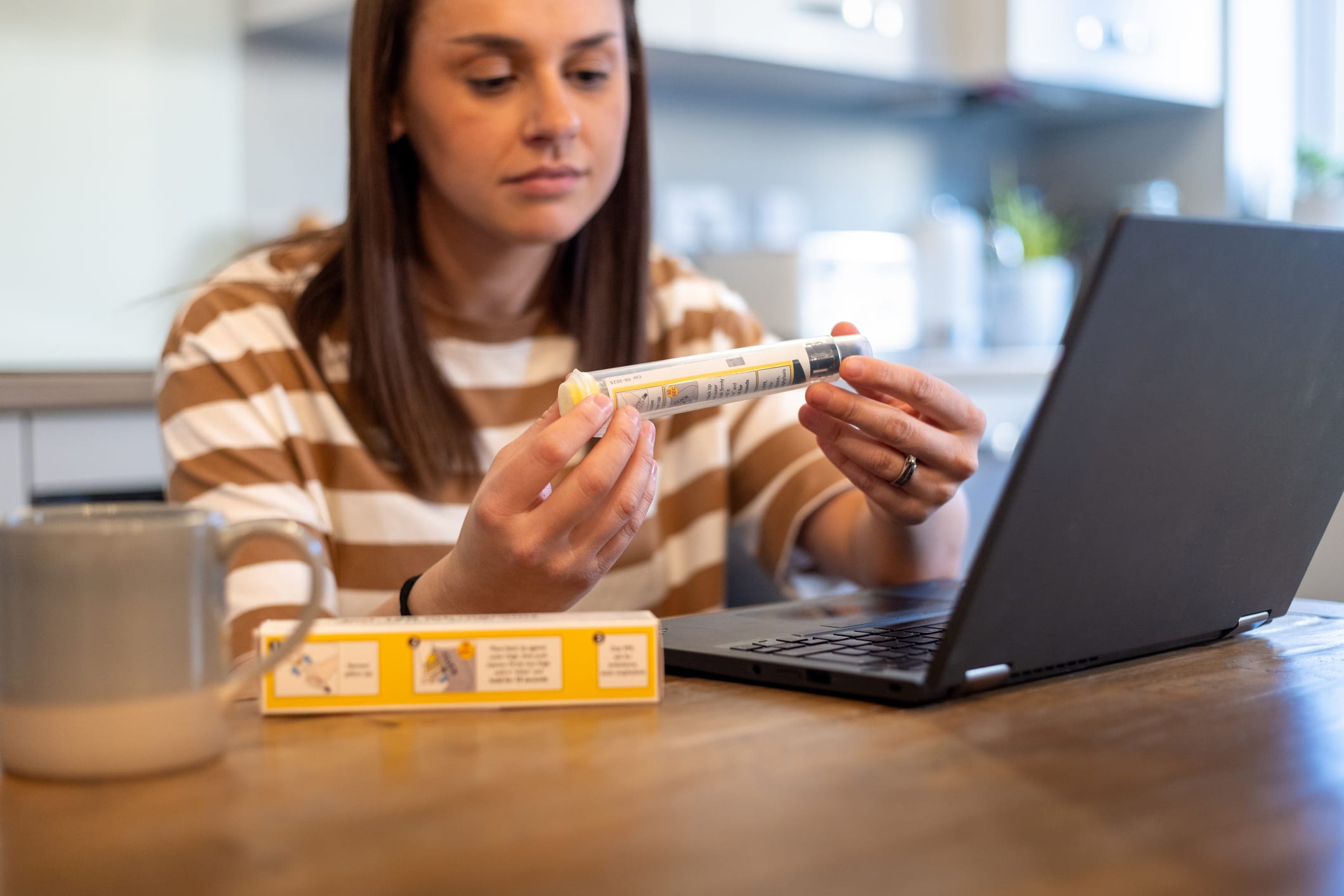
If you are living with systemic mastocytosis (SM), your epinephrineEpinephrine Also called adrenaline, this hormone is used in emergency situations to reverse symptoms during a severe allergic reaction (anaphylaxis). auto-injector (EpiPen) is a key part of staying safe. A serious risk with this condition is anaphylaxis, a severe, whole-body allergic reaction that can cause throat swelling, a dangerous drop in blood pressure and loss of consciousness. Epinephrine is the first-line treatment: it works rapidly to reverse symptoms that can become life-threatening within minutes. Having one prescribed is just the first step; how you store and carry it matters just as much.
Protect your EpiPen from temperature, light and moisture
Store your EpiPen at room temperature, ideally between 68 F and 77 F (20 C–25 C). Brief temperature changes between 59 F and 86 F (15 C–30 C) are acceptable, but your EpiPen should not be exposed to extreme heat or cold for long periods.
Do not:
- Refrigerate or freeze it: Cold temperatures may affect how the medicine works.
- Leave it in your car: A parked car can heat up well beyond safe limits. EpiPens exposed to high heat may be more likely to malfunction, deliver less medication or become difficult to remove from their carrier tube, even after they cool back down.
In cold weather, keep your EpiPen in an inside coat pocket close to your body. In hot weather, keep it in the shade and out of direct sunlight.
Epinephrine is also light-sensitive, so keep your EpiPen in its carrier tube or the case it came with. This helps protect it from light and physical damage.
The EpiPen protective case is not waterproof. If your EpiPen gets wet, especially if it has been submerged in water or another liquid, contact your pharmacist or prescriber to ask about replacing it.
Learn more about SM signs and symptoms
Check your EpiPen regularly
Get into the habit of checking your auto-injector every few weeks. Look through the clear inspection window to make sure the solution is clear and colorless. Replace your EpiPen right away if you notice any signs that the medicine has changed, such as:
- A pinkish or brown color.
- Cloudiness.
- Solid particles floating in the solution.
You should also check the expiration date regularly and replace your EpiPen before it expires. A calendar reminder can help. An expired or improperly stored EpiPen may not work as expected in an emergency.
Always carry a backup
Carry two EpiPens at all times. Some severe reactions may need a second dose of epinephrine before emergency help arrives.
A second auto-injector is also important in case the first one is misplaced or does not work as expected.
Where to keep it on the go
Think of your EpiPen the way you think of your phone; it goes where you go. Practical tips include:
- Use a dedicated insulated medical carry case to buffer against temperature swings during travel or outdoor activities.
- Keep one in a bag or purse you carry daily, and consider a compact case that fits in a pocket or on a belt clip.
- If you’re traveling by air, keep your EpiPen in your carry-on, not in checked luggage, where the baggage hold is not temperature-controlled and where it would be out of reach. Declare it to the TSA officer at the checkpoint and keep it in its original labeled packaging to make screening straightforward.
- At work or school, make sure a trusted person nearby knows where your EpiPen is and how to use it.
Disposal
Used, expired or damaged EpiPens should be placed in an approved sharps container, not household trash. Your local pharmacy or healthcare provider can advise you on safe disposal options in your area.
Sign up here to get the latest news, perspectives, and information about SM sent directly to your inbox. Registration is free and only takes a minute.