Living with systemic mastocytosis (SM) carries the risk of severe allergic reactions, known as anaphylaxisAnaphylaxis A severe allergic reaction that can turn fatal without treatment. Patients with SM are at a higher risk of developing anaphylaxis.. Because mast cells release large amounts of histamineHistamine A chemical released by mast cells when they are activated. Histamine causes many of the allergy-type symptoms in mastocytosis, including flushing, itching and hives. and other chemicals, triggers that might cause mild symptoms in others can escalate quickly.
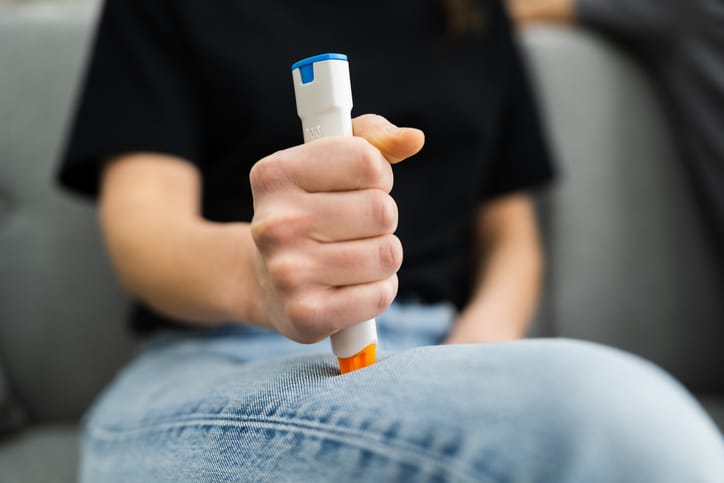
Epinephrine is the single most important medication for treating anaphylaxis, and understanding how and when to use it can be lifesaving.
Why epinephrineEpinephrine Also called adrenaline, this hormone is used in emergency situations to reverse symptoms during a severe allergic reaction (anaphylaxis). matters in mastocytosisMastocytosis Rare disease caused by the buildup of mast cells. Cutaneous mastocytosis primarily affects the skin and is more common in children, while systemic mastocytosis affects internal organs and is more common in adults.
In SM, the body produces too many mast cells. These cells play a key role in allergic reactions, so when they are overactive, reactions can become sudden and severe.
Anaphylaxis in SM can be triggered by insect stings, certain foods, medications, temperature changes, alcohol or even stress. In some cases, there may be no clear trigger at all. Epinephrine works by quickly opening the airway to reverse dangerous symptoms. It is the first-line treatment for anaphylaxis and should be used immediately at the first signs of a severe reaction.
Recognizing when to use epinephrine
One of the biggest concerns people often face is deciding whether symptoms are “serious enough” to merit epinephrine. Experts consistently emphasize: when in doubt, use epinephrine.
Early signs of anaphylaxis may include:
- Flushing of the skin, itching or hives.
- Trouble breathing or wheezing.
- Swollen lips, tongue or throat.
- Dizziness.
- Weak or rapid heartbeat.
- Severe abdominal pain, nausea or vomiting.
In SM, symptoms can progress rapidly. Using epinephrine early is safer than waiting too long.
Learn more about SM causes and risk factors
You may need more than one injector
Most guidelines recommend that people with SM carry two epinephrine auto-injectors at all times. This is because reactions in mast cellMast cell A type of white blood cell produced in the bone marrow. They help defend against infections and play a key role in allergic reactions. In SM, mast cells become overactive and build up throughout the body. disorders can be particularly severe or prolonged, and a second dose may be needed if symptoms do not improve within five to 15 minutes.
Keeping injectors in multiple locations, such as a bag, coat or bedside can help ensure one is always within reach. Many people also choose to keep spare devices at work or school.
Don’t be afraid to use it
Some people hesitate to use epinephrine because they’re afraid of needles or they worry about side effects. While epinephrine can cause temporary effects such as shaking, anxiety or a racing heart, these are usually short-lived and far less dangerous than untreated anaphylaxis.
Delaying epinephrine is one of the main reasons anaphylaxis becomes life-threatening. In emergency medicine, the risk of not using epinephrine is considered far greater than the risk of using it unnecessarily.
Consider talking to your doctor about needle-free epinephrine options if you feel hesitant to use an injector.
Practice and preparation
Knowing how to use your auto-injector before an emergency happens is essential. Consider:
- Practicing with a trainer device.
- Teaching family, friends and coworkers how to use it.
- Wearing medical identification that mentions SM.
- Having a written emergency action plan.
Preparation can reduce panic and help others step in if you cannot self-administer.
Sign up here to get the latest news, perspectives, and information about SM sent directly to your inbox. Registration is free and only takes a minute.