
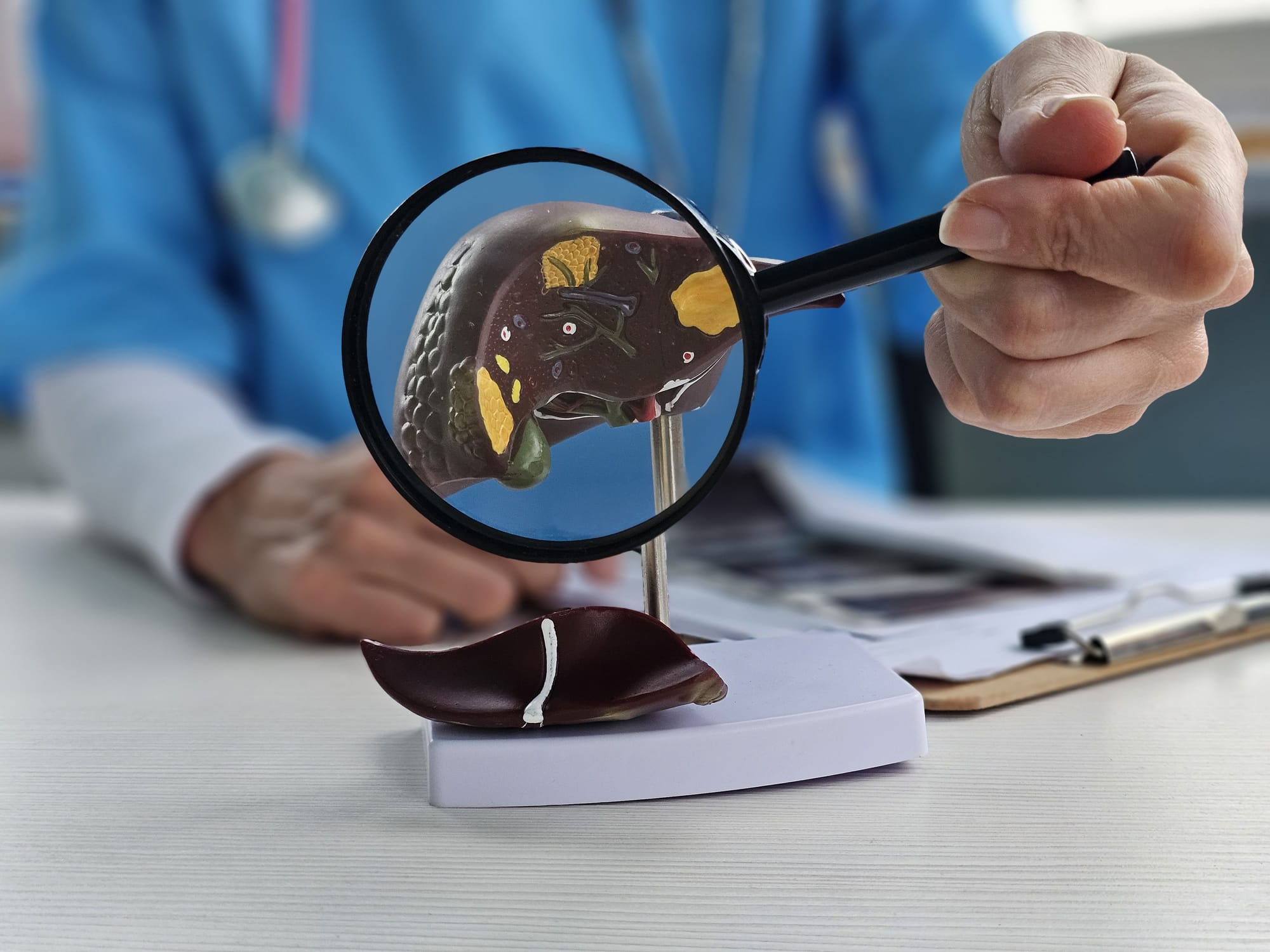
If you have been diagnosed with systemic mastocytosis (SM), the odds are that you lived with its symptoms long before you had a name for them. Behind those symptoms is one main culprit: the mast cellMast cell A type of white blood cell produced in the bone marrow. They help defend against infections and play a key role in allergic reactions. In SM, mast cells become overactive and build up throughout the body.. These cells cause harm in SM two ways — by building up and infiltrating your organs and by becoming activated and releasing their chemical mediators. Both can harm the surrounding tissue, causing organ damage.
When mast cells won’t stop growing
Mast cells are normally valuable members of your immune system, helping fight infection and heal wounds. In SM, however, a change in the KIT gene — most often the KIT D816V mutation, present in over 95% of adults with SM — drives them to multiply and survive far beyond normal limits.
These mutations cause mast cells to gather in the skin, digestive tract, liver, spleen and bones. As they accumulate, the very cells meant to protect you begin turning against your tissues.

Don’t navigate SM alone. Subscribe to our free weekly newsletter to get the latest stories, perspectives, and information about SM sent directly to your inbox.
When mast cells crowd your organs
As mast cells accumulate, they physically crowd into organs and disrupt how those organs work.
In advanced disease, doctors watch for specific warning signs of this kind of harm, called “C-findings”:
- Low blood counts: Mast cells crowd the bone marrow, lowering the number of red cells, white cells or platelets.
- An enlarged liver, sometimes with fluid buildup in the abdomen or abnormal liver tests.
- An enlarged spleen.
- Poor nutrient absorption, which can lead to weight loss.
- Large bone lesions, which can cause fractures.
C-findings are the hallmark of advanced systemic mastocytosisMastocytosis Rare disease caused by the buildup of mast cells. Cutaneous mastocytosis primarily affects the skin and is more common in children, while systemic mastocytosis affects internal organs and is more common in adults.. When they appear, they’re what leads your care team to monitor your organs closely and consider treatment aimed at the mast cells themselves.
When mast cells release their chemicals
Mast cells store numerous chemicals called mast cell mediators — among them histamineHistamine A chemical released by mast cells when they are activated. Histamine causes many of the allergy-type symptoms in mastocytosis, including flushing, itching and hives., the enzyme tryptaseTryptase A protein enzyme that is primarily produced by mast cells and stored in small pockets within the cells, known as granules. High levels of tryptase are a key indicator of SM., heparin and cytokines. When a mast cell is activated, it releases a flood of these mediators all at once; in SM, far too many cells do this far too often.
These mediators widen blood vessels and push more blood and fluid into the surrounding tissue, which can add to the complications they cause. Crucially, many of these mediators are pro-inflammatory, meaning they actively drive inflammation that can affect several organs at once.
For instance, histamine drives both the excess stomach acid behind the digestive problems that affect a majority of patients and the bone loss caused by overactive osteoclasts, the cells that break down old bone.
A spectrum of disorders, with advancing care
SM is a spectrum. Luckily, most people have nonadvanced forms with no organ damage and a favorable prognosis. Even in advanced disease where organ damage is present, recent progress in diagnosis, symptom management and targeted therapies can successfully ease mediator-driven symptoms and improve quality of life.
Learn more about the SM spectrum: “What separates nonadvanced and advanced systemic mastocytosis?”

