Living with chronic pain decides how you live daily. How you can move, how you sleep at night and the things you can go and do.
I live with chronic pain. It started when I was in my twenties while searching for a diagnosis. In 2000 I was finally diagnosed with indolent systemic mastocytosis (SM), but I still lived with the pain. I lived with it for years without pain medication. For the most part I just tolerated it the best I could and kept working and moving. When it got severe and to the point where I could not move, I would use hot baths and heat pads to try and get some relief.
I was far too young to rely on pain medication, and I had small children. I suffered a great deal but made it. It was not easy, but your mind can do a great deal to help you get through pain. I meditated. I subjected my body to ice baths and cold showers. I strengthened my mind to fight through.
Trying medication for the worst days
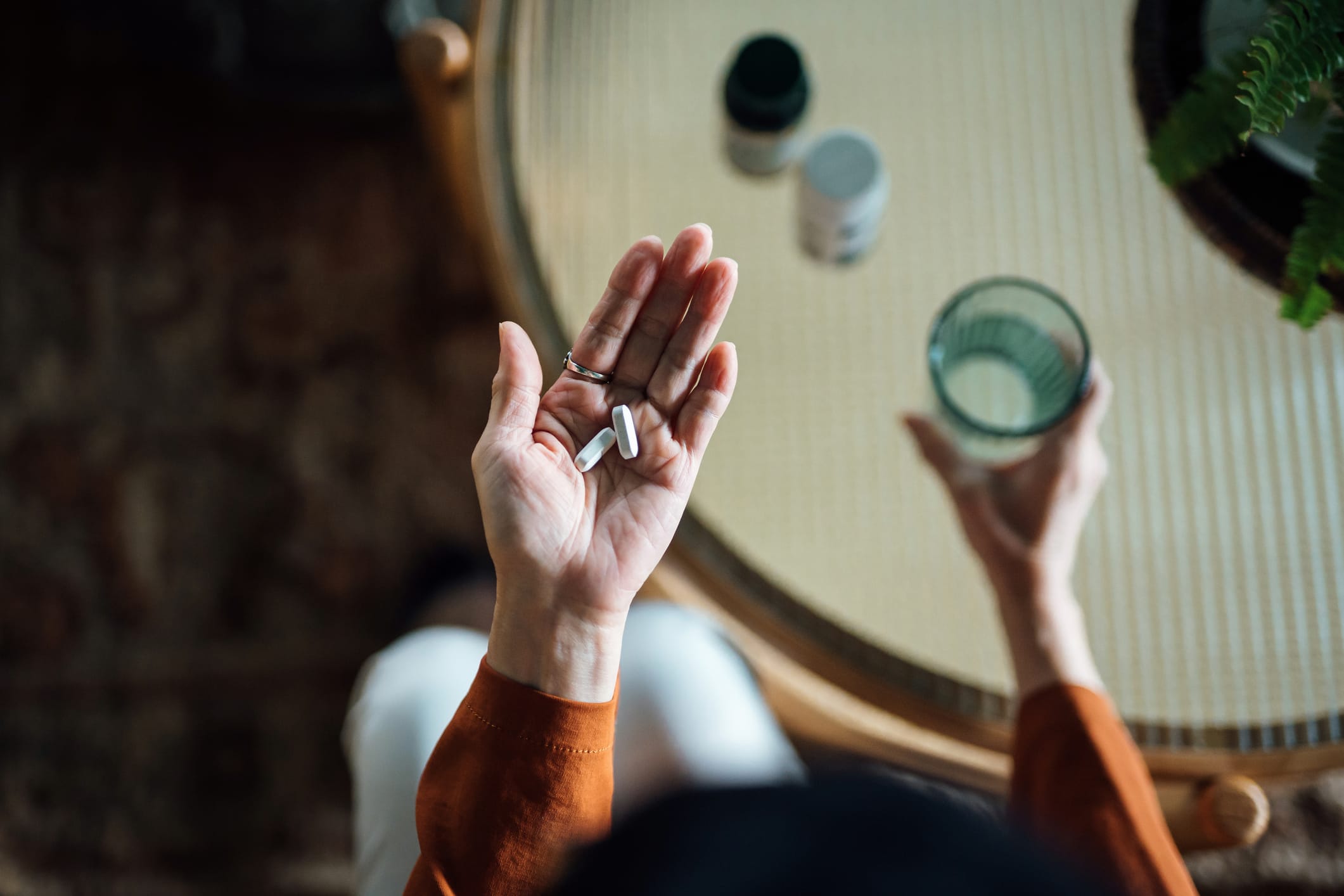
As I got older, in my 50s I was diagnosed with degenerative back disease and severe osteoporosis. I had to finally get on something. I told the doctor I didn’t want anything that was strong or addictive, and was prescribed gabapentin. It did not help me at all. So, I was switched to tramadol, an opioid, five years ago.
I only take it when I am in severe pain. This includes riding in a car for a long way or when I fly. Without the pain medication, I hurt so badly I need to fight tears.
I no longer can mop and sweep, scrub bathrooms or even bend over to get clothes out of the dryer without being in pain. But if I take it easy daily, I do not have to take pain medication. I’ve found ways to manage pain most days: I use a transcutaneous electrical nerve stimulation (TENS) unit on my back before taking pain meds, along with a heating pad. I do physical therapy to keep my legs strong enough to continue to walk.
My prescription was for four refills. Every single time those refills would expire and the doctor would later have to call in a new prescription, because I never had to use them. One bottle would last me months because I limited when I would take them to only when I could not move and was in severe pain.
Imagine my surprise when I went to the doctor recently and learned he was not going to prescribe my pain medicine anymore.
I was told to get a dual action over-the-counter Tylenol/Advil combination. That is what I take daily anyway. He knows I used so little pain medication that I never even got my refills from the pharmacy. But unexpectedly, he said he doesn’t like prescribing pain medication after five years.
New hurdles to accessing care
Originally my back doctor prescribed the pain meds. So now — even though I cannot get my back worked on until my osteoporosis is better — I will be forced to visit my spine doctor two hours away from home and spend more money and time just to get the medication prescribed. This feels ridiculous. I could understand if I were taking it often and needing it refilled all the time. If it were a stronger pain medicine that was highly addictive and misused, I could also understand — but this is Tramadol. I have had zero side effects also while on this drug. There have been times I have had tooth pain and been written prescriptions for hydrocodone, and those were tossed in the trash. Those types of pain meds I cannot take. They make me have severe side effects.
I just don’t understand why a doctor who I have trusted all these years and have an amazing doctor/ patient relationship with would put me through this. My last flight to Utah to see my ISM doctor at the Huntsman Cancer Institute was excruciating. I fought tears on all the flights there and back. It was horrible. I’m planning on flying to Washington, D.C., next month for Rare Disease Week on Capitol Hill, and I won’t be able to make that trip like this.
So, I guess I’m off to the spine doctor next week to speak to him about writing me a prescription for the pain medicine that works for me so I can live a somewhat normal life. Living with ISM, I’m already limited in what I can do and the places I go; with the back pain to boot, it makes my life even harder.
Living with a rare disease makes us all so strong. Why make it harder than it already is? I just don’t understand.
Sign up here to get the latest news, perspectives, and information about SM sent directly to your inbox. Registration is free and only takes a minute.