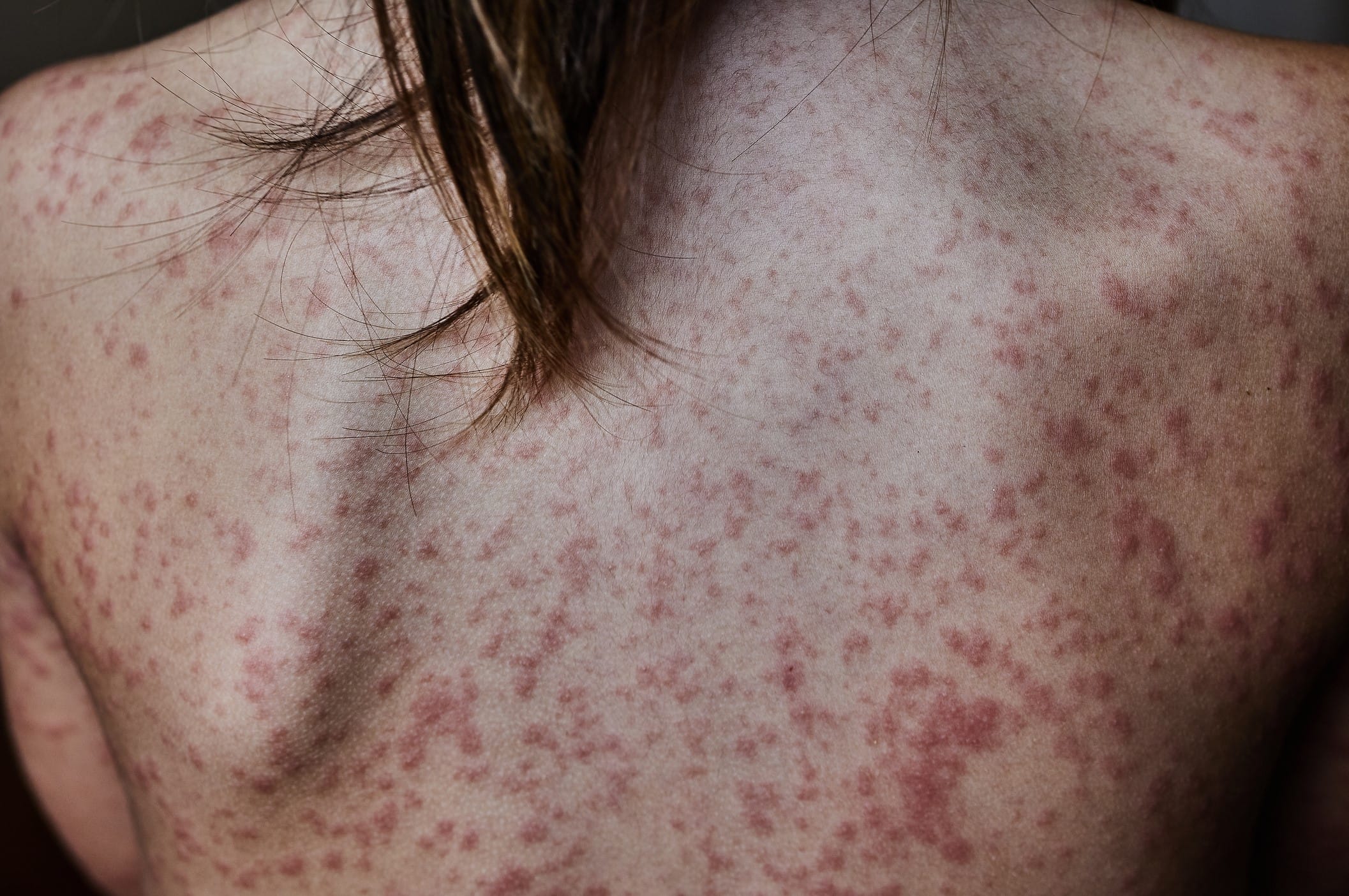
If you have systemic mastocytosis (SM) and are dealing with itchy, brownish spots on your skin, you may have a condition called urticaria pigmentosa. Urticaria pigmentosaUrticaria pigmentosa A skin condition marked by itchy, red-to-brown spots, especially on the neck, limbs and torso. It is caused by surplus mast cells and occurs in up to 85% of patients with SM. is the most prevalent type of cutaneous mastocytosis, a form of mastocytosisMastocytosis Rare disease caused by the buildup of mast cells. Cutaneous mastocytosis primarily affects the skin and is more common in children, while systemic mastocytosis affects internal organs and is more common in adults. characterized by skin involvement. However, it is also seen in SM: some studies estimate that up to 85% of patients with SM have urticaria pigmentosa.
While symptoms of urticaria pigmentosa most often arise during childhood, they can last throughout your life, and can also develop during adulthood. Luckily, the condition is usually benign, and there are treatment options available to manage discomfort and reduce the appearance of the rash.
What causes urticaria pigmentosa?
Urticaria pigmentosa is generally caused by mutations in the KIT gene, which lead to the overproduction of abnormal mast cells and the release of chemical mediators, such as histamineHistamine A chemical released by mast cells when they are activated. Histamine causes many of the allergy-type symptoms in mastocytosis, including flushing, itching and hives., into the body.
Flare ups of urticaria pigmentosa can be caused by numerous triggers, including:
- Changes in temperature.
- Exercise.
- Insect stings.
- Rubbing your skin.
- Certain medications, such as nonsteroidal anti-inflammatory drugs or some types of anesthesia.
- Stress.
In children with urticaria pigmentosa, symptoms usually resolve over time, but this isn’t always the case.
Read more about SM signs and symptoms
Signs and symptoms of urticaria pigmentosa
The hallmark sign of urticaria pigmentosa is small, red-to-brown bumps on the skin. However, people with darker skin tones may have less visible lesions than those with a lighter skin color. Usually, the rashes occur on the trunk of the body, though they may also form on the face or limbs in some individuals.
These bumps may be itchy, but not painful, and can form blisters when scratched. When the affected areas are rubbed, they could also form raised bumps — this is known as the Darier sign and is a key indicator of mastocytosis.
In some cases, the rashes can be accompanied by skin flushing, diarrhea, a rapid heartbeat and low blood pressure due to a large amount of histamine release.
Treatment for urticaria pigmentosa
The primary method of managing urticaria pigmentosa involves avoiding your triggers. If the rash isn’t bothering you, you may not necessarily need to treat it. However, if the appearance or symptoms of the rash are causing you discomfort, you have some treatment options, such as:
- AntihistaminesAntihistamines Medications that block the effects of histamine, the chemical found in mast cells that is responsible for many of the symptoms of SM, as well as many allergic reactions.: Taking antihistamines can help address not just itching but also the other symptoms that may occur with urticaria pigmentosa.
- Steroids: Both topical and injectable corticosteroids can be used to relieve itching.
- Laser treatment: Laser treatment is a cosmetic procedure that may help reduce the pigmentation of the rash. However, the effects may be temporary.
Sign up here to get the latest news, perspectives, and information about SM sent directly to your inbox. Registration is free and only takes a minute.