Skin lesions are a common symptom of systemic mastocytosis (SM): up to 95% of patients with indolent SM have skin lesions in the form of urticaria pigmentosa. They can appear reddish or brown in color and may be raised, itchy or inflamed.
Lesions are caused by a build up of mast cells in the skin. While they are usually benign, these skin changes can affect how people feel about their appearance, sometimes impacting self-esteem, body image and mental wellbeing.
Understand the emotional impact of skin lesions
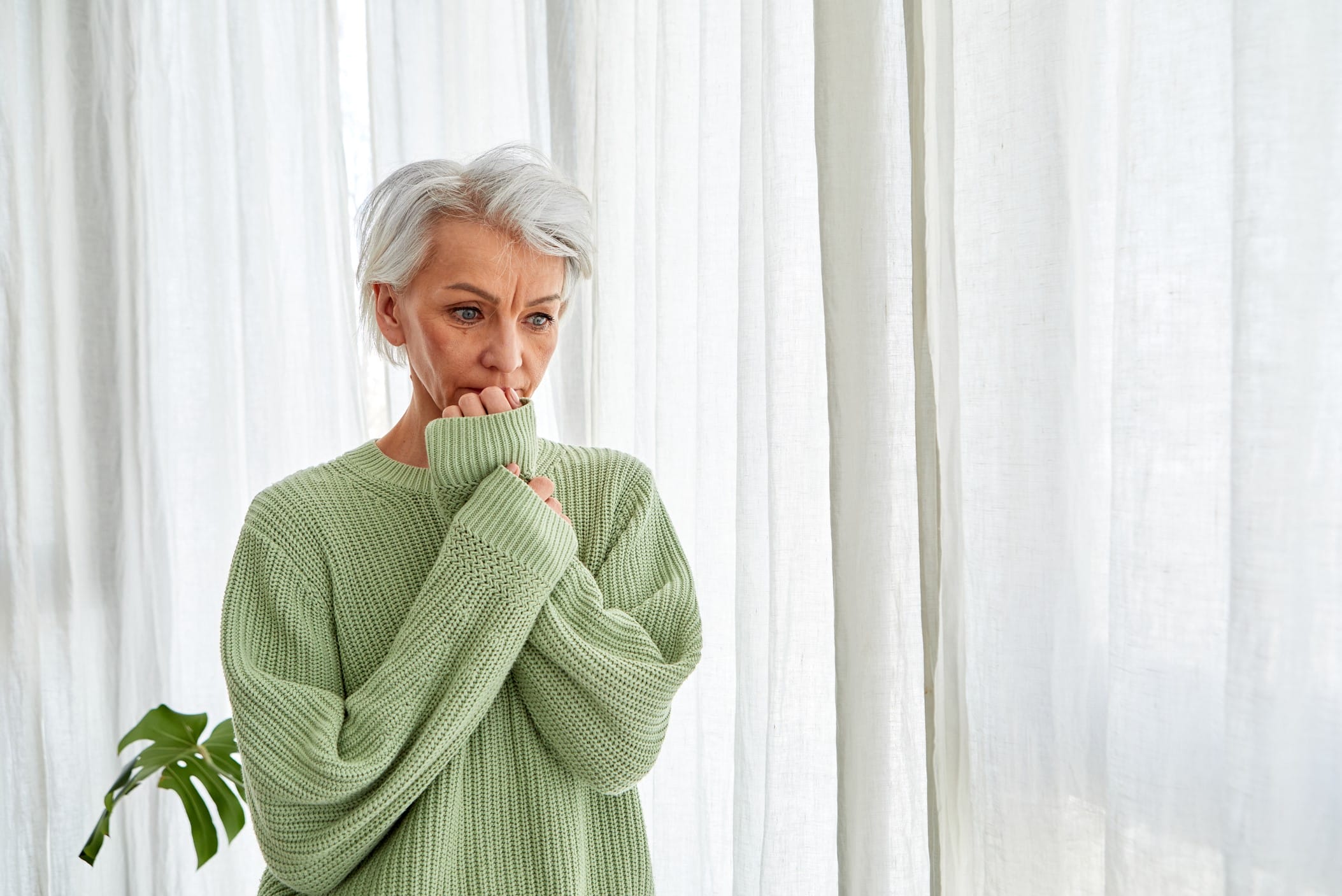
Changes in appearance can carry emotional weight and significantly impact quality of life. If your skin looks different from what you’re used to (or from what you see on social media) it may make you feel self-conscious, frustrated and even ashamed.
Learn more about SM signs and symptoms
These feelings could lead to habits like avoiding mirrors, cancelling plans or sitting out of social events. Over time, these patterns can affect confidence, lead to isolation and contribute to anxiety or low mood.
Practice self compassion
Recognizing the effects of skin changes on self-esteem is the first step. Try acknowledging these feelings without judgement.
It’s easy to fall into negative thinking patterns, especially if you feel your skin draws attention. You might feel like everyone is staring at your skin or that you don’t look “normal.” Gently questioning these assumptions can help you reframe your thinking.
Consider asking yourself: Are these thoughts based on facts or fears? Often, people are far less focused on our appearances than we imagine. Then, do your best to let these thoughts pass.
Practicing self compassion and more balanced self-talk can gradually shift your mindset and help improve your self-esteem and body image.
Stay connected and ask for support
While your initial response might be to socially withdraw when you’re not feeling your best or are having a flare, it’s important to stay connected.
Remember, you don’t have to navigate these feelings alone. Talking to someone you trust, whether a friend, family member or counsellor, can help you process difficult emotions.
Support groups, particularly those for people living with SM or visible skin conditions, can also provide reassurance and shared understanding. Hearing others’ lived experiences can reduce feelings of isolation and offer new ways of coping.
Build self-esteem beyond appearance
While it’s natural to focus on appearance, self-esteem grows from many areas of life. Investing time in hobbies, relationships, activities you enjoy and personal goals can help shift attention away from your skin issues. Celebrating your strengths and achievements can boost your mood and reinforce a sense of self-worth that isn’t tied to your appearance.
Ultimately, while living with SM can bring about unpleasant symptoms, these don’t define you. With time, self-compassion and support, it’s possible to build confidence and start feeling more comfortable in your own skin.
Sign up here to get the latest news, perspectives, and information about SM sent directly to your inbox. Registration is free and only takes a minute.