
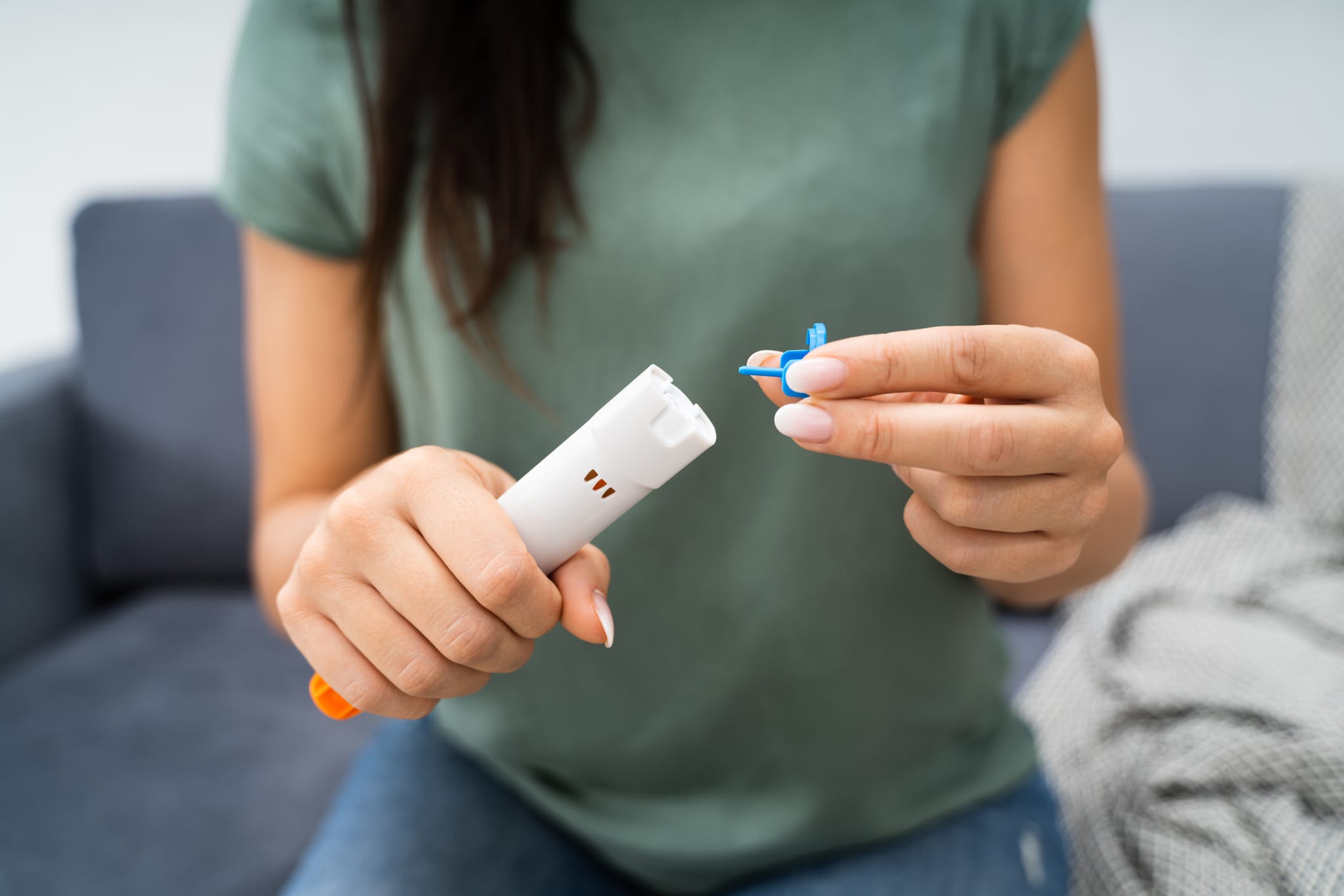
Living with systemic mastocytosis (SM) means living with the risk of anaphylaxisAnaphylaxis A severe allergic reaction that can turn fatal without treatment. Patients with SM are at a higher risk of developing anaphylaxis., a severe allergic reaction. Anaphylaxis may start with itching and flushing, but can quickly progress to constricted airways and a loss of consciousness. Left untreated, anaphylaxis can be fatal.
EpinephrineEpinephrine Also called adrenaline, this hormone is used in emergency situations to reverse symptoms during a severe allergic reaction (anaphylaxis). is a medication that puts the brakes on this reaction. Most patients with SM are told to carry an EpiPen, a device patients can use to self-inject epinephrine in an emergency. If that’s you, read on for all the details about this medication.

Sign up here to get the latest news, perspectives, and information about SM sent directly to your inbox. Registration is free and only takes a minute.
Understanding the basics: Epinephrine 101
Do EpiPens need to be refrigerated? How does epinephrine work? How many doses do I need?
An epinephrine auto-injector might come with many questions. Here are the answers to help you carry your EpiPen with more confidence.
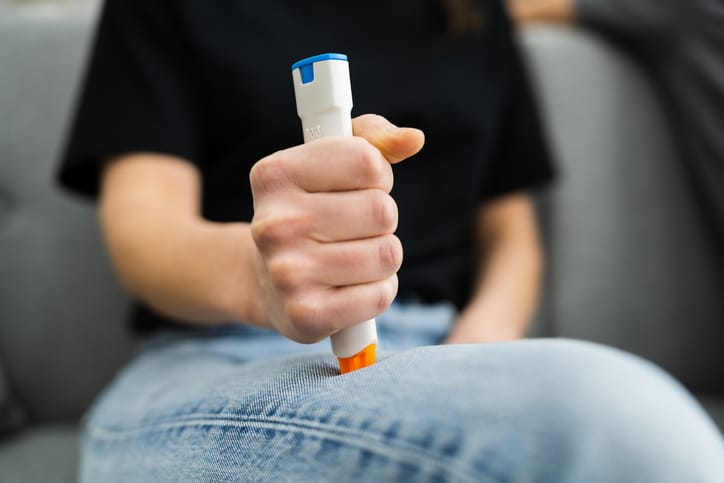
What people with mastocytosis should know about epinephrine
Epinephrine is the single most important medication for treating anaphylaxis. Learn what patients should know about this life-saving medication.

How to store and carry your EpiPen
Having an epinephrine auto-injector prescription is just the first step; where you keep it matters, too.
Pulling the cap: Tips on using epinephrine
From a fear of needles to worries about overreacting, many patients are hesitant to use epinephrine. Learn how to recognize the first signs of an emergency and react with less hesitation.

Identifying the signs of anaphylaxis
In anaphylactic episodes, time is of the essence. Learn when to use your EpiPen — and what to do after.
Patient perspective: To Epi or not to Epi, that is the question
When the consequences of anaphylaxis are so serious, no SM patient should feel shame for using their EpiPen, writes columnist Kim Lepine.
How to overcome a fear of needles when you have systemic mastocytosis
Hesitating to use an EpiPen can cost precious time. If you have a needle phobia, these tips can help.
The latest research: What’s next
Science’s understanding of epinephrine is still evolving. Learn the latest on how it affects patients with mast cell diseaseMast cell disease A group of conditions in which mast cells behave abnormally by building up in excess, releasing chemicals too easily or both. Includes mastocytosis, mast cell activation syndrome and hereditary alpha-tryptasemia. and how treatment might change in the future.

Needle-free epinephrine may transform emergency treatment for anaphylaxis
For decades, epinephrine autoinjectors have been the mainstay of emergency treatment. That may soon change.

Study identifies previously unknown side effects from epinephrine
While epinephrine can save lives, it can also cause side effects. Learn about the most common ones and the problems researchers are just discovering.

