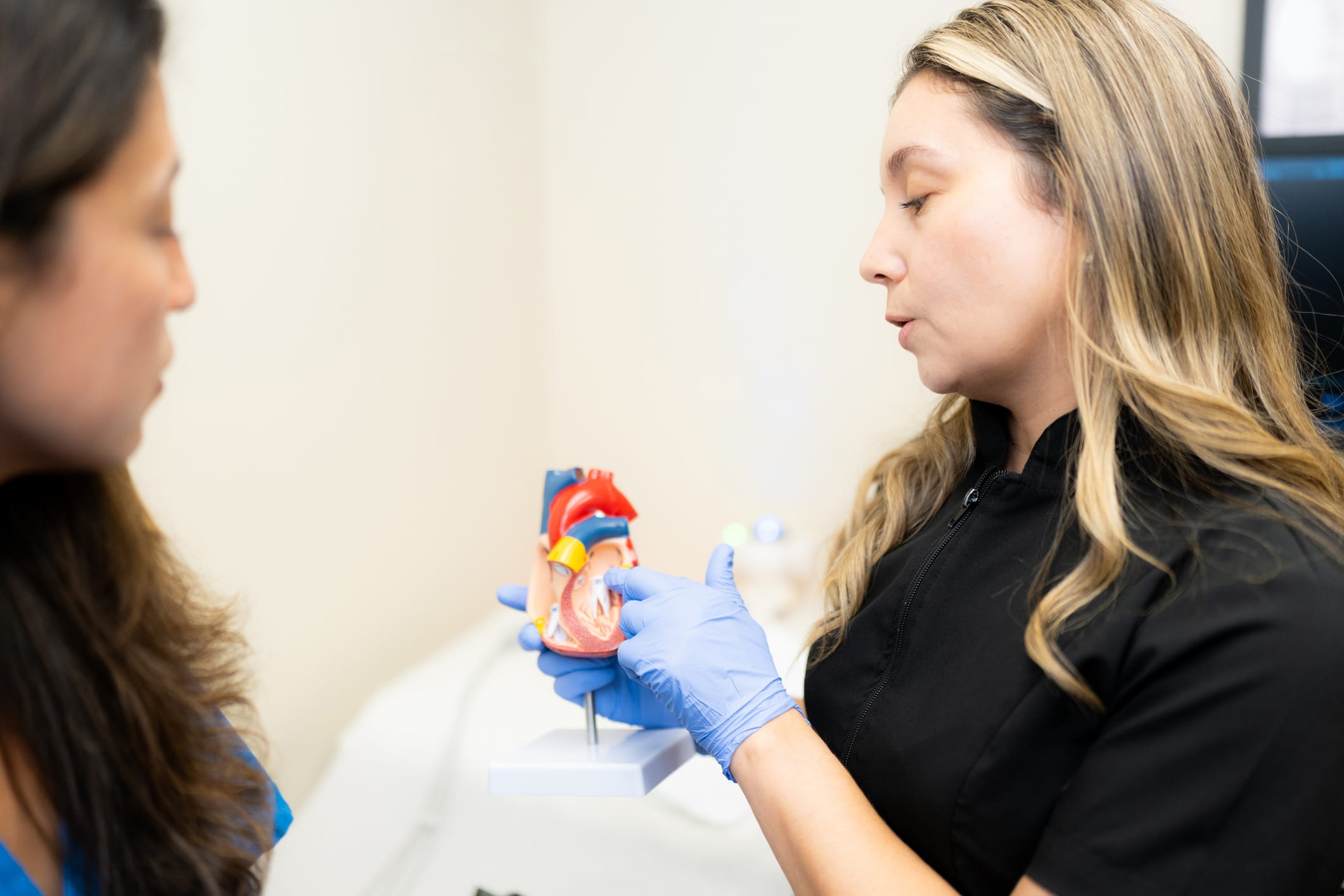
Patients with SM may experience cardiovascular symptoms
Individuals with mast cell diseases like SM may experience cardiac, vascular and bleeding symptoms that need specialized care.
Individuals with mast cell diseases like SM may experience cardiac, vascular and bleeding symptoms that need specialized care.

Researchers developed an algorithm that helps differentiate SM from hereditary alpha-tryptasemia, a condition with many overlapping symptoms.
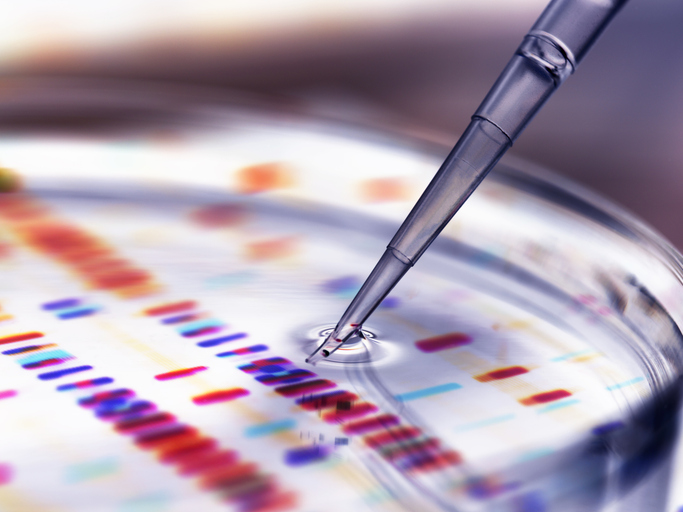
Research on shortened telomeres in children’s mast cells may help develop ways to trigger natural disease remission in SM.

Results from a phase 2 clinical trial suggest bezuclastinib may help treat the underlying cause of nonadvanced SM, as well as its symptoms.

Avapritinib, a selective KIT D816V inhibitor, appears to produce long-term improvements in skin symptoms in patients with advanced SM.

Research suggests that the KIT D816V mutation is more common among people who experience severe allergic reactions than previously thought.
This study represents the first known case of a patient with SM with detectable KIT D816V mutations in all cells of the body.

New research suggests people with SM may be able to tolerate antibiotics and NSAIDs when testing is done under careful medical supervision.

A case of systemic mastocytosis in which recurrent vertebral fractures were the primary symptom was recently reported.

HT-KIT, a precision antisense oligonucleotide (ASO) therapy targeting KIT-driven malignancies and SM, has shown promising results in trials.