
Review finds avapritinib improves skin symptoms across SM subtypes
Analysis showed avapritinib helped alleviate cutaneous involvement, including skin lesions, in both indolent and advanced forms of SM.
Analysis showed avapritinib helped alleviate cutaneous involvement, including skin lesions, in both indolent and advanced forms of SM.

Once poorly understood, SM is now recognized as a type of blood cancer that can be treated with targeted therapies.

People without medical training can correctly use neffy, a needle-free epinephrine nasal spray for severe allergic reactions.

A woman with ISM underwent cesarean section without experiencing a mast cell reaction due to careful, multidisciplinary management.
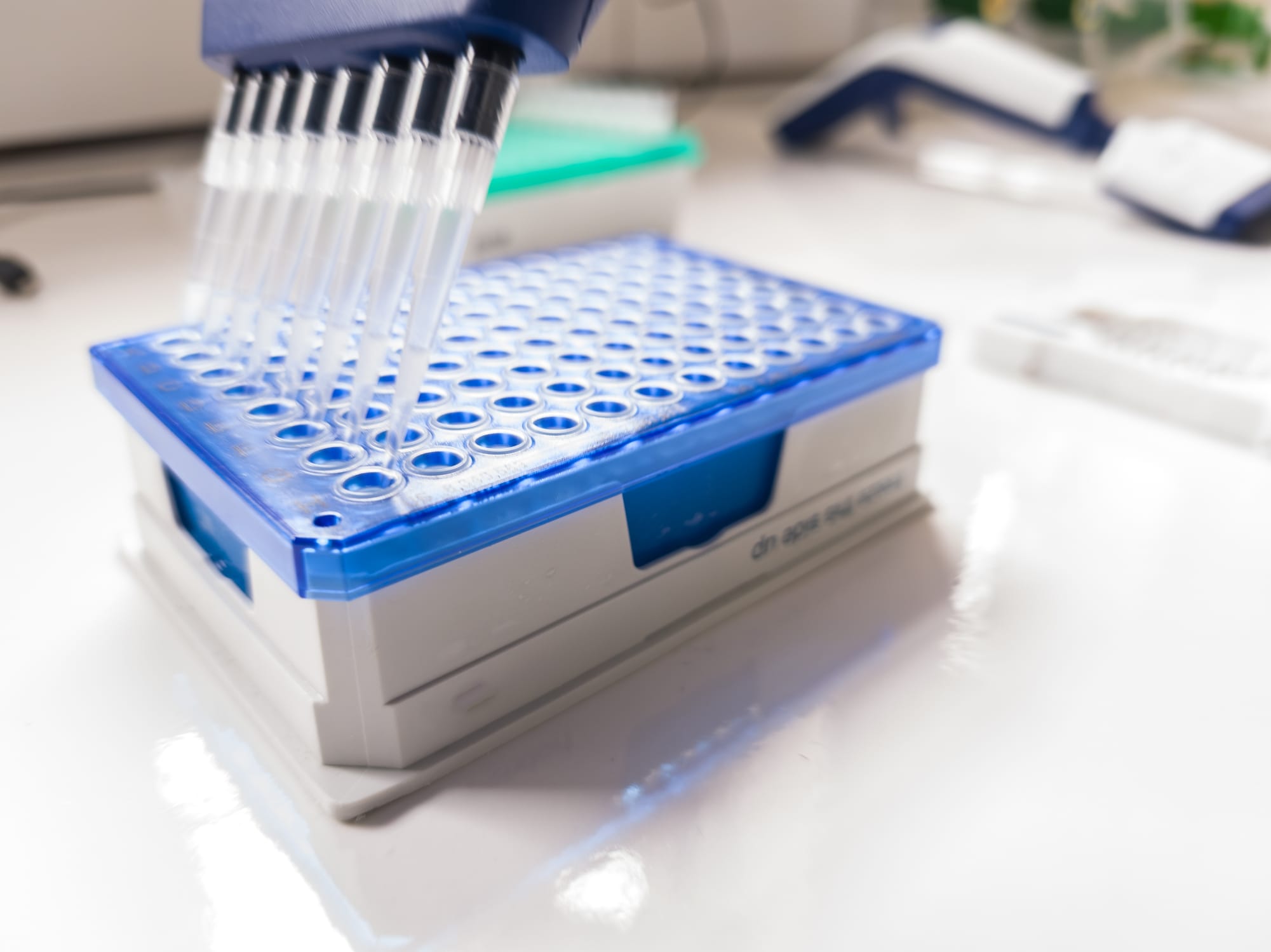
A new test detected much lower levels of the KIT D816V mutation in systemic mastocytosis (SM) than standard methods.

Case series highlights severe graft-versus-host disease after transplant in two patients with prior gastrointestinal involvement.

Researchers believe this is the first confirmed case of immune thrombotic thrombocytopenic purpura (TTP) complicating the course of SM.

By six and 12 months, skin lesions had shrunk and faded significantly, with lasting improvements in the most affected regions.

A recent case report highlights that ongoing diarrhea and unexplained protein loss can be a warning sign of systemic mastocytosis (SM).

Rare KIT exon 8 mutations can be missed by standard sequencing, requiring additional testing such as PCR to confirm a diagnosis of SM AML.