
Researchers examine how SM affects mortality risk
Advanced SM is associated with marked increases in five- and ten-year mortality, with nonadvanced SM also having impacts on mortality.
Advanced SM is associated with marked increases in five- and ten-year mortality, with nonadvanced SM also having impacts on mortality.
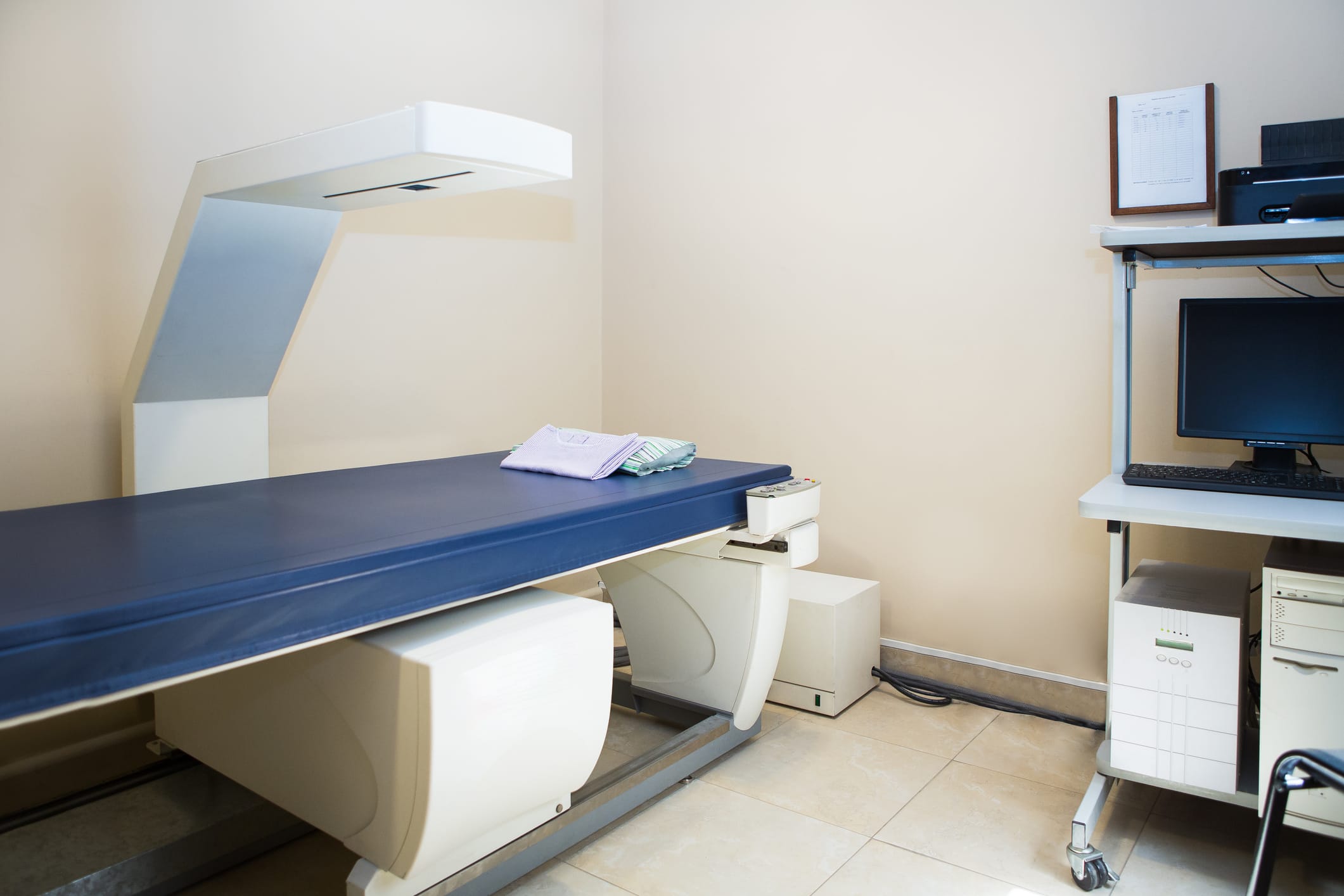
A scan called DXA, which is used to measure bone mineral density, does not always correctly show the risk of fractures in SM.

Even without symptoms, gastrointestinal mastocytosis carries a risk of bone marrow involvement, according to new research.

People with SM may require significantly higher doses of adrenaline and early admission to intensive care when experiencing anaphylaxis.

Patients with SM experience higher frequencies of multisystem symptoms both in the year before and after diagnosis.

Conventional tryptase thresholds (~11 μg/L) should be maintained rather than raised, and tryptase alone is insufficient to rule out SM.

Researchers found CD123 expression in 91% of SM cases, showing it is a frequent and stable marker in nearly all disease subtypes.

In addition to serum tryptase, urinary biomarkers may be a useful tool in identifying and managing SM, research review concludes.
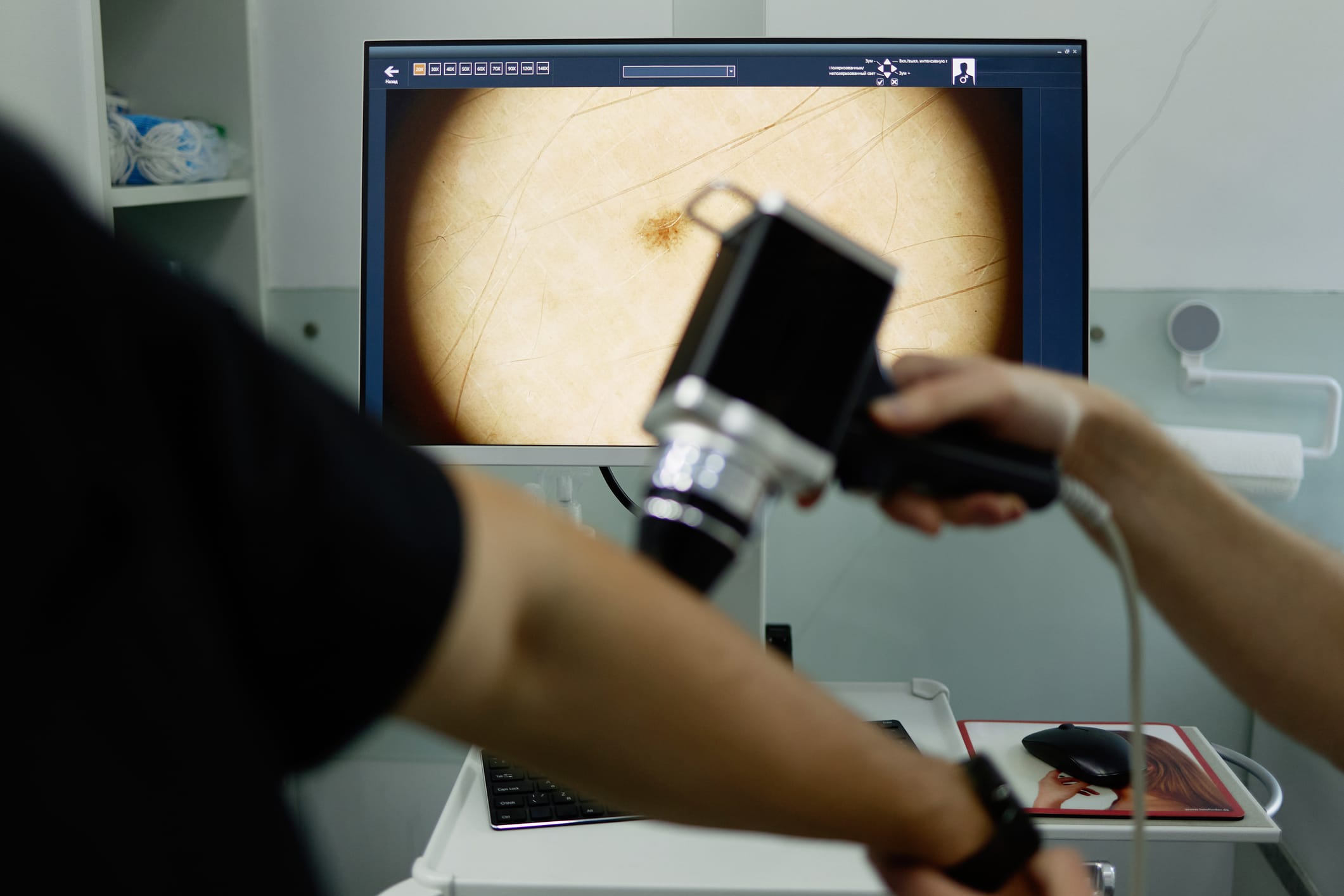
A 67-year-old man with returning melanoma was found to have SM after genetic testing on his tumor showed unusual results.

ST2, a receptor that binds with interleukin-33, is elevated in patients with SM and may be a biomarker and future therapeutic target.