
Researchers explore the risk of drug-induced allergic reactions in SM
Drugs may induce hypersensitivity reactions in SM, requiring clinical caution.
Drugs may induce hypersensitivity reactions in SM, requiring clinical caution.

A recent case report describes the rare reoccurrence of mastocytosis in an adult patient 40 years after a childhood diagnosis.

A study proposed two scoring systems that were found to be effective in assessing gastrointestinal symptoms in patients with SM.

There is a strong link between mastocytosis and serious allergic reactions to insect stings, especially from insects like bees and wasps.

A particular form of spinal fracture was found to be more common in indolent systemic mastocytosis compared with primary osteoporosis.

A group of experts in anaphylaxis offered recommendations for epinephrin use in different patient populations, including those with SM.
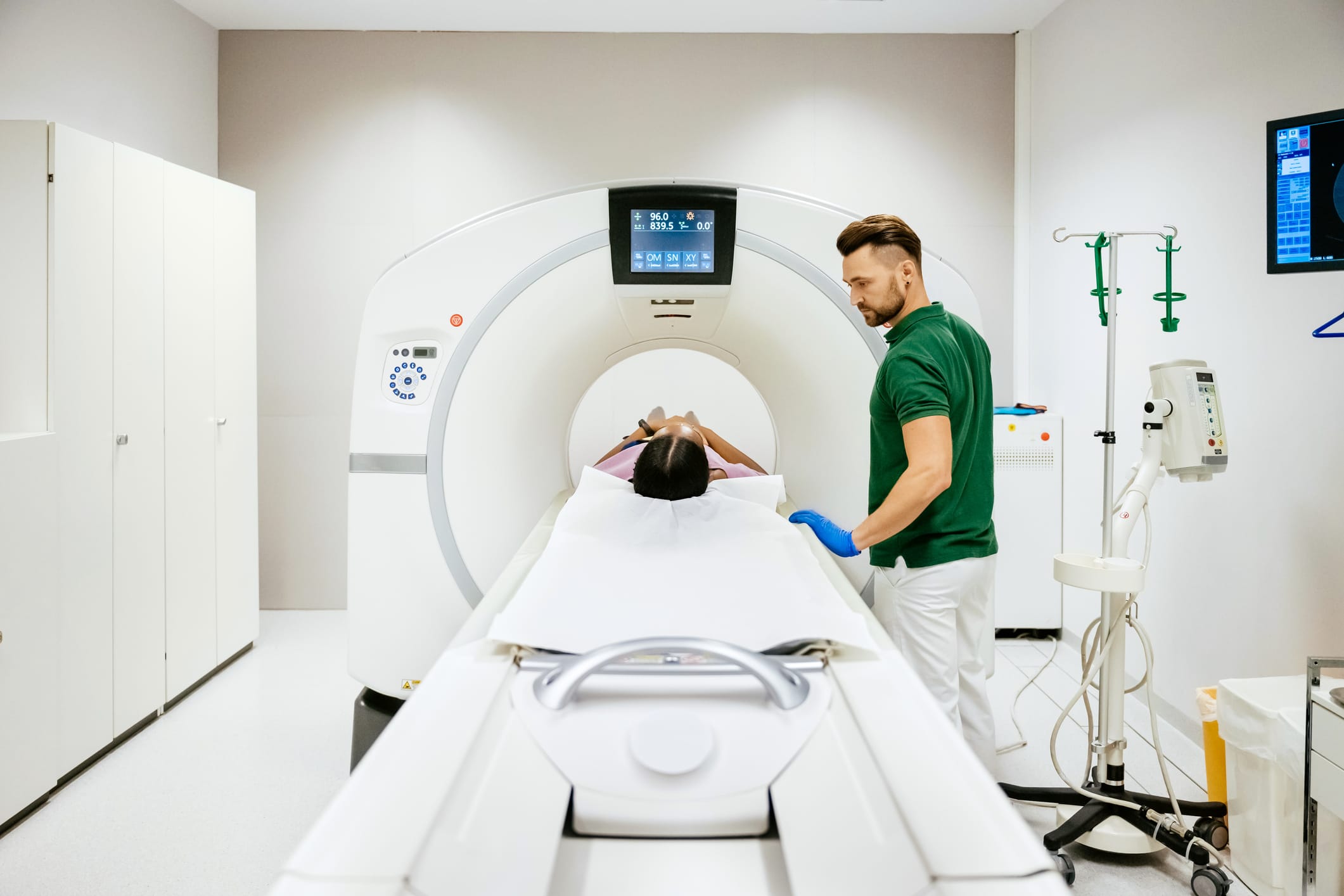
A young girl with severe systemic mastocytosis (SM) experienced recurrent fainting episodes, initially misdiagnosed as reflex syncope.

When children develop small, uniform reddish-brown spots or bumps on their back, belly, or limbs, it may be a sign of SM.

In people with SM, mast cells may contribute to anemia by breaking down red blood cells.

Cogent Bioscience announced that their trial of bezuclastinib in patients with advanced SM showed the drug to be safe and effective.