
Early research examines potential benefits of stem cell transplants in advanced SM
Stem cell transplantation can reduce disease activity for people with advanced systemic mastocytosis (SM) and may help patients live longer.
Stem cell transplantation can reduce disease activity for people with advanced systemic mastocytosis (SM) and may help patients live longer.
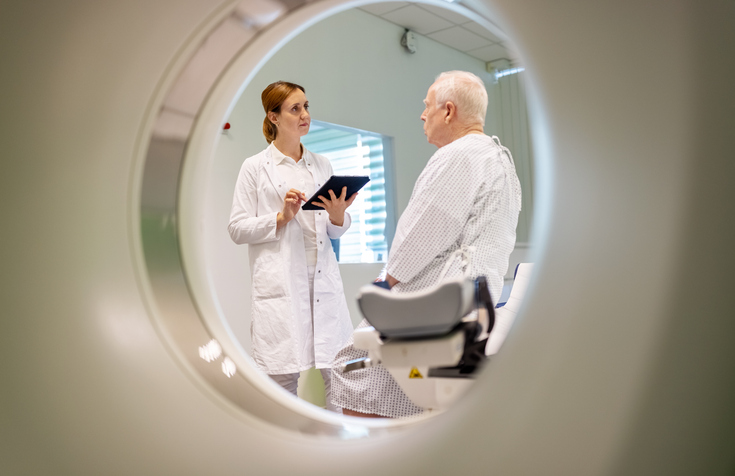
Aggressive systemic mastocytosis (SM) can present with nonspecific symptoms like fever, which can complicate diagnosis

The case highlights the challenges of diagnosing and treating both KIT-negative SM and SM with an associated hematologic neoplasm (SM-AHN).

A new cumulative analysis from the PIONEER trial provides encouraging long-term data on avapritinib for indolent SM.
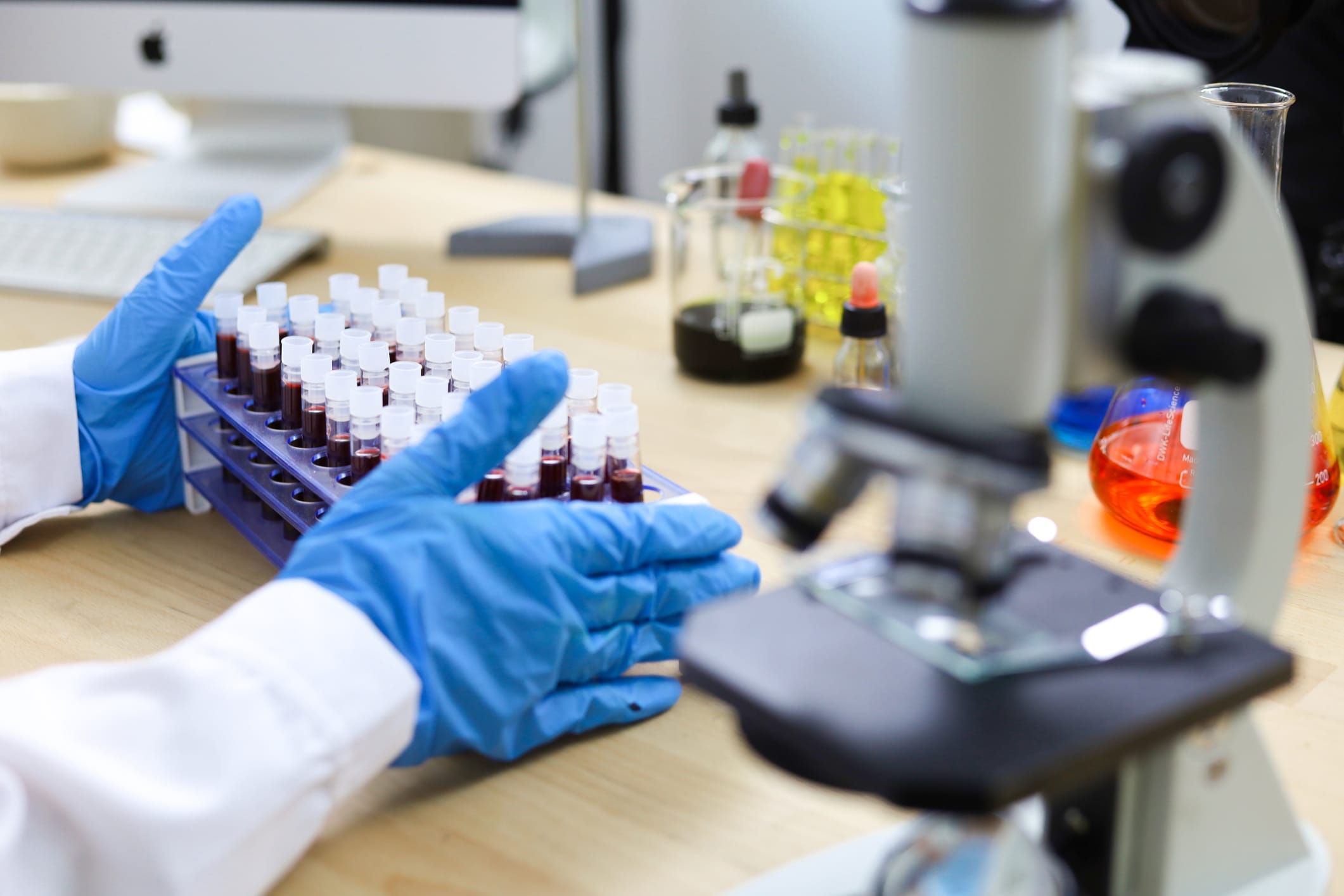
Patients who test negative for the KIT D816V mutation may need further testing for clonal mast cell diseases such as SM, a study found.

Symptom diary is typically excellent at inducing memory recall in tracking disease evolution in SM.

HT-KIT, a new treatment for SM and other cancers, has shown promising results in early laboratory studies.

Outcomes among patients with mast cell leukemia remain relatively poor.
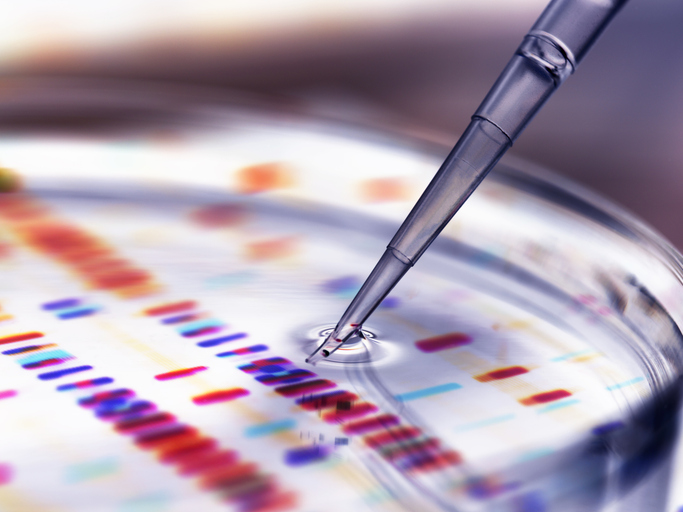
A case report was recently published describing a man with systemic mastocytosis and a previously unknown KIT mutation.

Major progress has been made in the treatment of SM, but patients with the most aggressive forms of the disease still need better options.